Why Planning a Trip Is the Best Part of Traveling (and How It Helps You Avoid Overwhelm)

For some people, travel is all about spontaneity. For me, it’s all about the planning. It involves spreadsheets, schedules, and all. It may sound rigid (Yes, yes — very neurodivergent of me, I know!), but planning has always been a source of comfort, excitement, and even joy.
The Imaginary Road Trip That Started It All
When I was a student at university I spent a lot of time planning the perfect road trip through the UK. It was a welcome distraction from studying. It also was exciting to look at maps, explore different routes and find out which cities or towns to explore more in-depth. It was nice to look at pictures of the landscape and imagine myself there. I had been to England and Ireland before, and I had loved it. The landscapes, the old towns, Alton Towers, all of this was just a flight away.
The road trip never happened but the planning phase was still beautiful. Looking back, I realize that I didn’t need to go on that UK road trip for it to matter. The hours spent tracing routes and picturing quaint villages were already a kind of journey.
Since then I have planned many holidays, trips, vacations and adventures that actually did happen. Excel sheet at hand, flight comparison app open, hotel booking app in a different tab and the mobile exploration started. Hubby and I often did this over our morning coffee or on quiet weekends when we had time to dream. Sometimes we sit down and book a lot of things at the same time. Eventually we go through it all over again to make sure all the days are covered. It helps me quiet the ‘what ifs’ in my brain. What if there’s no room left? What if we miss the train? What if I forgot something crucial? Seeing it all laid out helps me feel safe and in control. This is something my anxious brain is very grateful for. Nothing is worse than being on a trip and then noticing that you forgot to book a night in a hotel or that the flight times did not match. Hence, we double-check or triple check and write it down in Excel.
Why Detailed Planning Matters
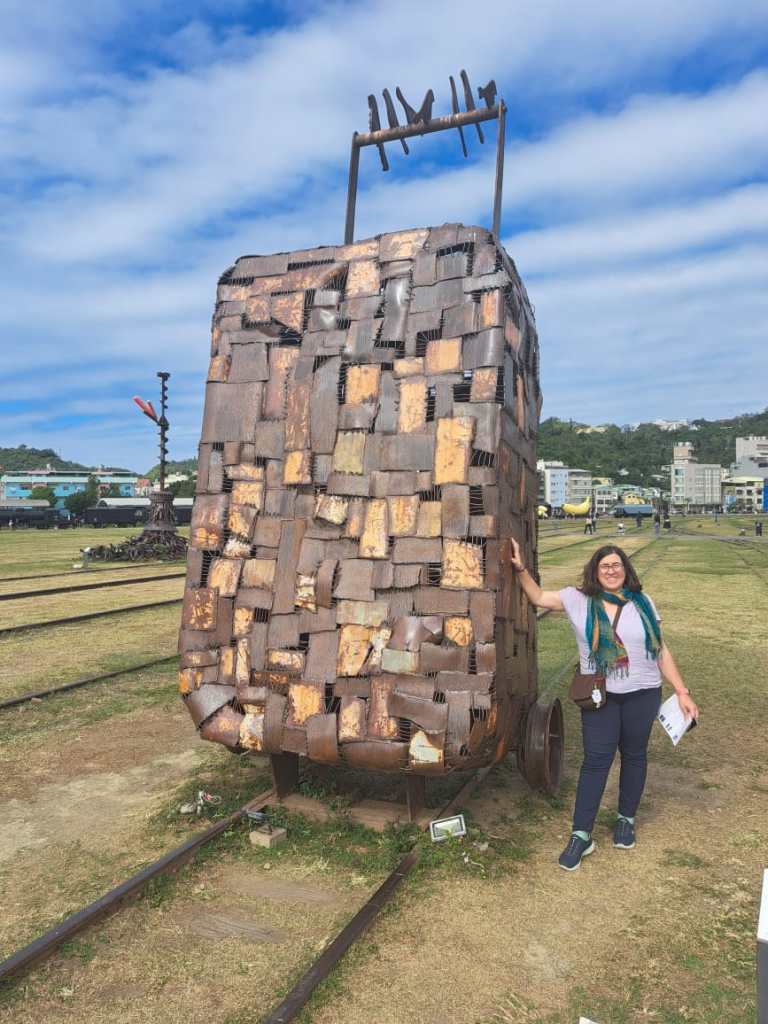
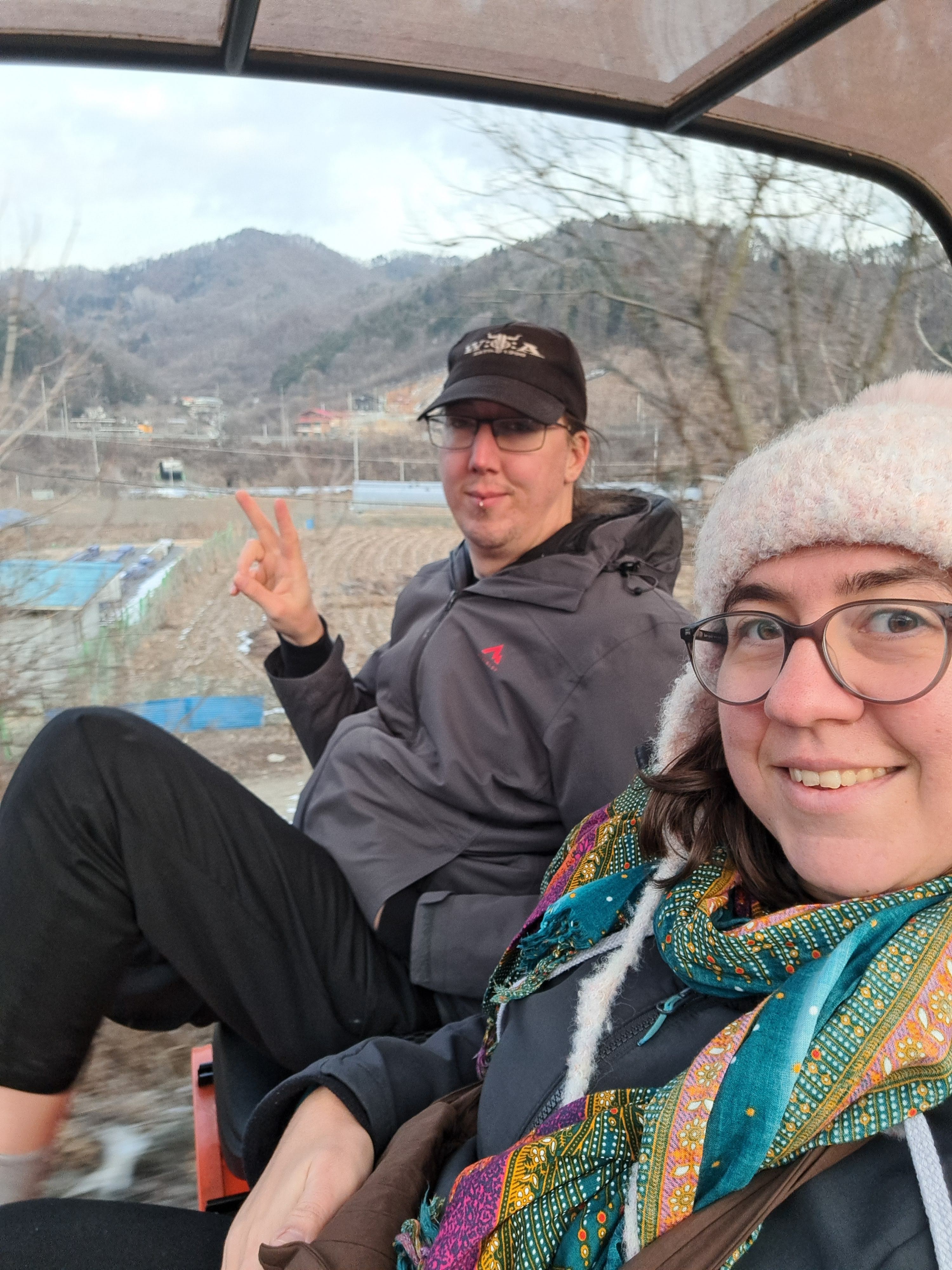
I got a little bit more easy-going and trusting over the years. At the start, I had a firm grip on all the bookings. All the little details found their way into various excel tables. Nowadays a lot of apps do this for you. They show you for which dates you are booked and which dates are missing from the itinerary. My excel usage dropped quite a bit since then. But eventually the detailed planning serves several purposes.
- You know where you are going to be at which date. This takes away a lot of travel anxiety. It also gives you the possibility to prepare for any eventualities. Plan B’s are easier to coordinate. We had it happen in Slovenia that our bus did not show up at the assigned time. Despite this being quite stressful, we managed to figure out a Plan B within half an hour. We knew where we needed to go and found a way. I learned to be more flexible about travels. Not everything always goes according to plan.
- It gives you an immediate dopamine boost. Like with my imaginary UK road trip travel planning. Even if it’s not as detailed as the one I made for our trip through Kyrgyzstan, Kazakhstan, and Uzbekistan. That one had every hotel, train, dinner place, and day tour carefully planned out in Excel
I currently have an excel for next year’s trip planning, but quite superficially. The detailed plan: This is something I recommend for everyone that just starts their travel journey. Write it down, make an Excel and do it in whichever way suits you. If you’re new to this kind of travel planning, feel free to use this one here. Just adapt it however works best for your brain. Mine was never pretty or color-coded; just functional.
This is what it typically looks like:
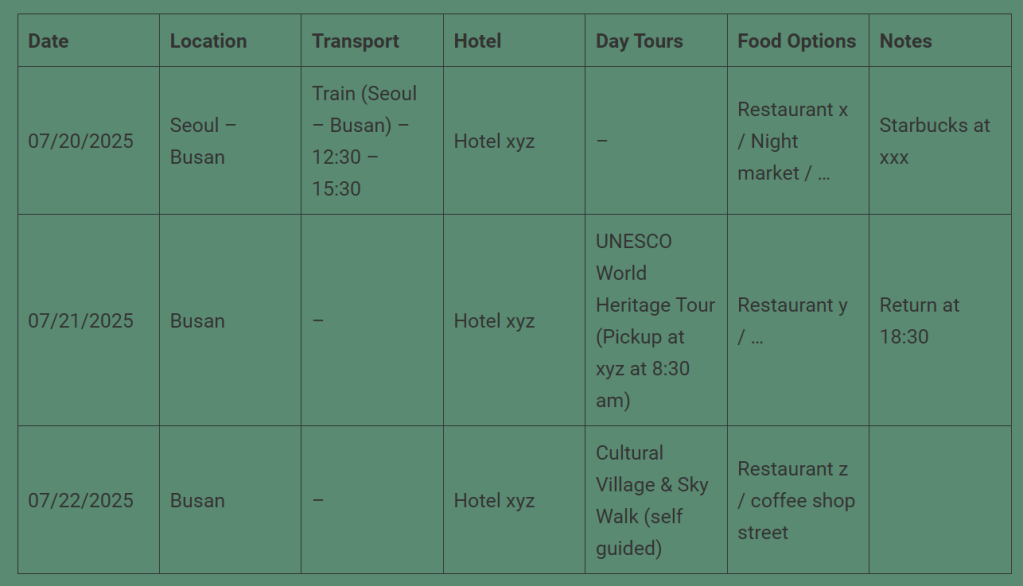
Most of the time, when I have booked a Tour or Hotel, I indicate it in the text as well.
I typically also pre-book most hotels, transport and transport options. I still feel this deep-seated anxiety that I could end up without an accommodation, or that all trains are booked. Sometimes hubby is making fun of me about this, but, honestly, I rather have options than get stranded somewhere.
I also try to plan buffer days. Either by not scheduling anything or just leaving space for some light exploration if I feel up for it. These “empty” days give me time to rest, adjust, and reset without pressure. It’s a strategy I picked up after realizing that even fun can be draining if you’re already dealing with overstimulation. What also works better for me, is rather choosing half-day tours instead of full-day ones. That gives me some time to reset and decompress.
Learning to Let Go (a Little)
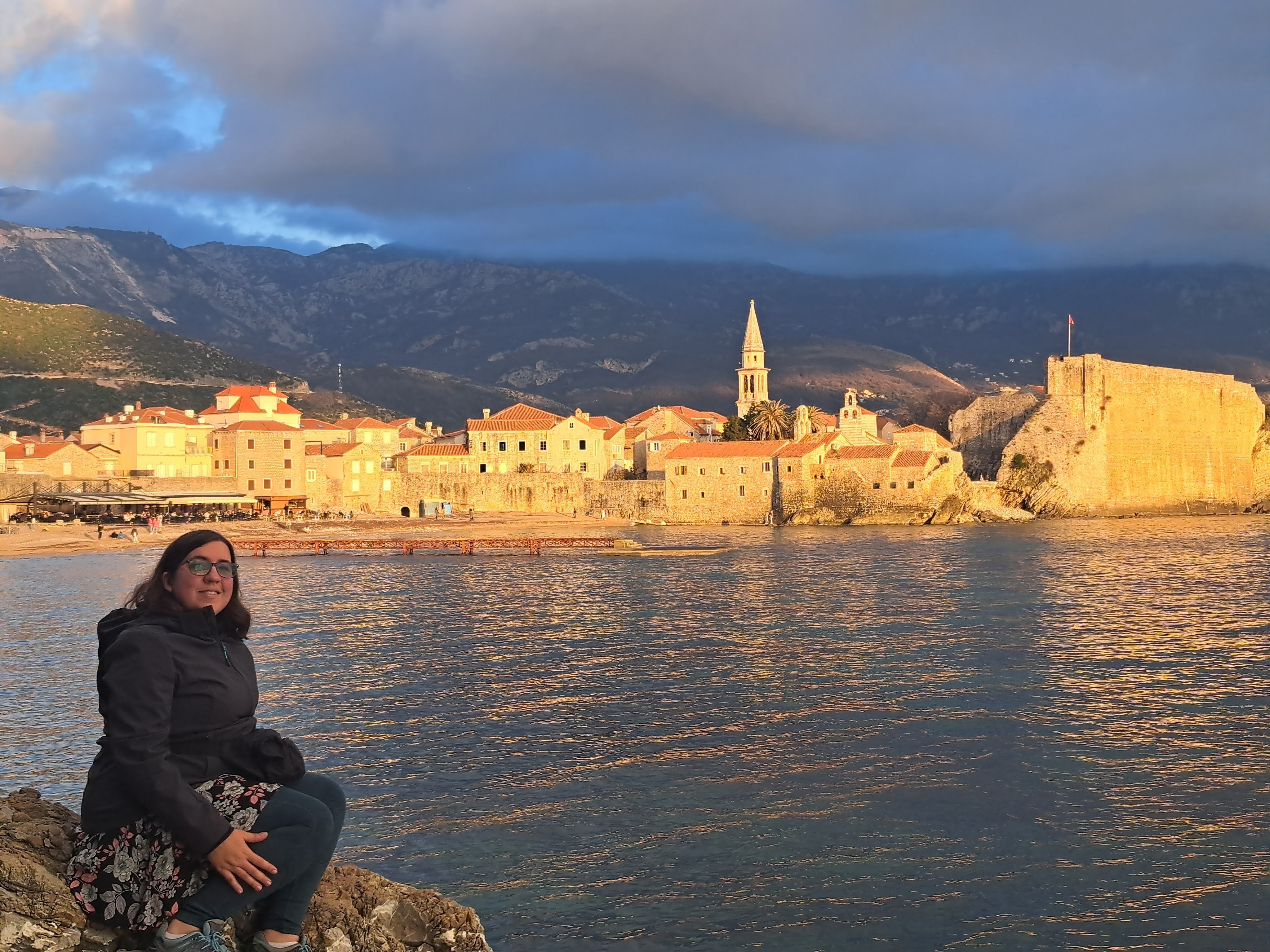
I did a training of trainers at some point for work. There I learned that a training plan is one of the most important tools you can have in a training session. I admit, I typically started with the plan but deviated from it quickly if the demands required it. That is also how I see my travel plans. If I am comfortable and have a plan, I dare deviating from it and test the waters for things I typically would not do. It is more meant as a safety net. I can return to the plan if something goes wrong. I can be flexible on the days where we do self-guided walking tours. I can adjust if things go wrong and the tour agency, you booked your day tour with ghosts you. Most of the time I rely on the plan for comfort more than anything else. I guess in training this is the same thing. If you know what you are doing, you can deviate from the plan. You can adjust and adapt. You can relax a little into the flow.
By now, the majority of the trips we do, hubby is planning. I still check with him on the dates, on the bookings and verify if we are having an accommodation every night. That is the level of comfort I need. I don’t mind anymore if I don’t know exactly what we are doing on a given day. I also don’t mind where we are eating. What is life without a little bit of a surprise or some excitement?
A Final Word of Advice: Reserve Your Dinner!
Also, a bit of advice because this is a trap we fell into once or twice. Make dinner reservations on holidays, and make sure to stick to them. If you don’t want to walk through Seoul on Christmas eve without a plan what you can eat for dinner, book beforehand and stick it out. We eventually ended up at a pub with very decent pasta with shrimps and good whisky. It was a pleasant surprise; the 50 minutes walking around in Gangnam before… not so much.
Planning used to be about control. Now it’s more about comfort, excitement, and giving myself the freedom to enjoy the journey. Even if it doesn’t follow the spreadsheet, it still matters. And if it does? All the better.

 Looking 4 Adventures
Leave a reply to Navigating Travel with Neurodivergent Partners: Balancing Planning and Spontaneity – Looking 4 Adventures Cancel reply