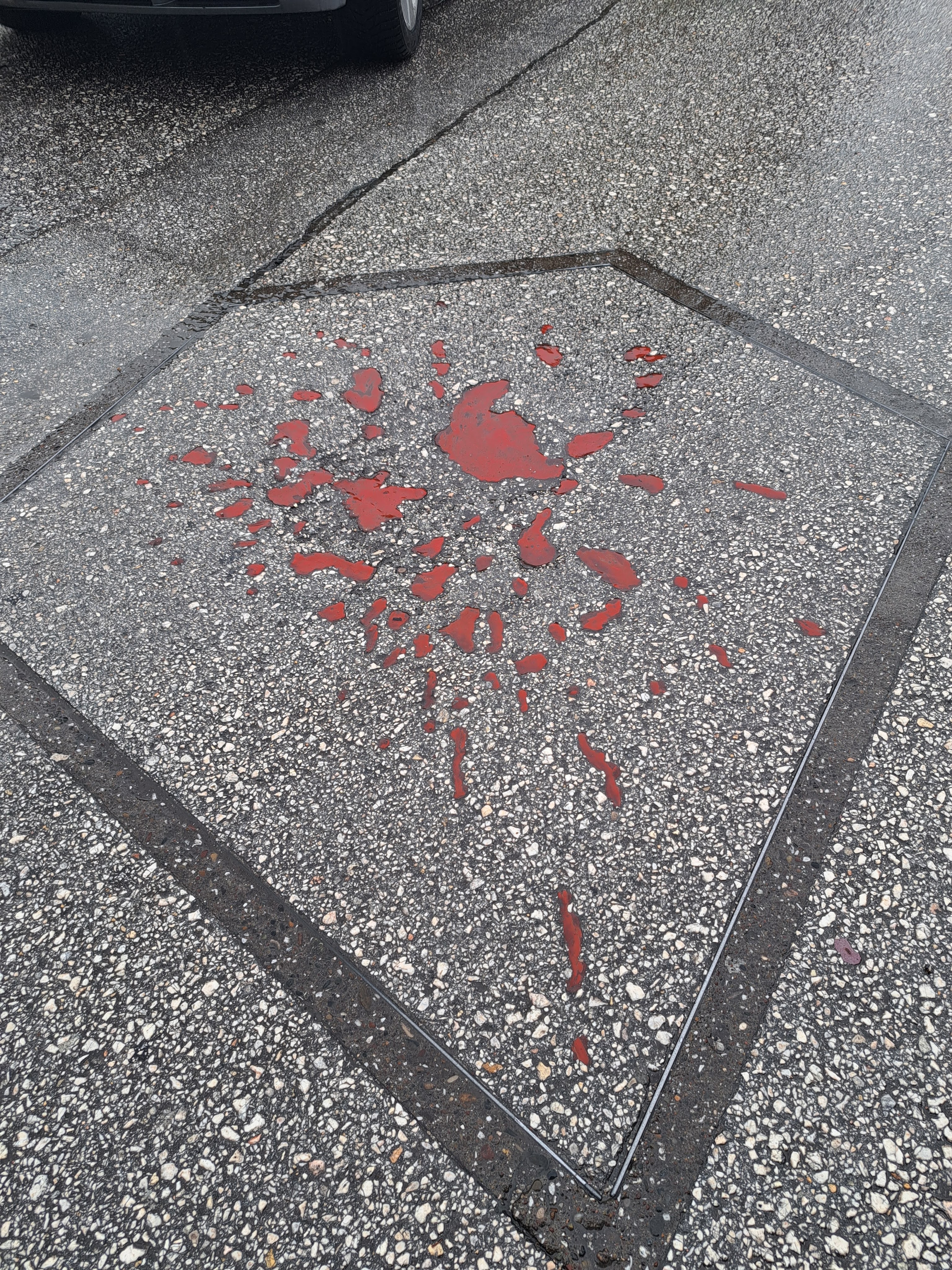
If you walk around in Sarajevo you can find the Sarajevo Roses almost everywhere. There are 200 of them all over the city. They have been kind of memorial spots where at least 3 people died when the city was part of the war in the early 1990s. Every time I saw one of these spots, as pretty as they look, with the floral pattern, I was reminded of the turbulent past of Bosnia and Herzegovina.
We spent 6 days on a Winter trip in Bosnia and Herzegovina and while it was raining the majority of the time, we realized that in a lot of ways this became one of my favourite locations on this trip. Here’s why!
Bosnia and Herzegovina still reminds a lot of us that there was a war happening not too long ago, but the country has changed massively since then. It still gives us reminders here and there about its history. With the Sarajevo Roses but also with the Genocide Museum that showcases a lot of individual stories of survivors and victims. It shows us that there are never any winners in any war.
One of my favourite books is “The Book Thief” of Markus Zusak. In the story you learn a lot about the population when living through wars. It explores the horrors and personal stories of the people having to endure this. In a way I learned to sympathize with the people, even considering that the government that started it, has done horrible things. Often this happens a lot on the back of the people living there.
It felt rather similar in Sarajevo. The pain never really went away. People just learned to live through it and survive nonetheless.
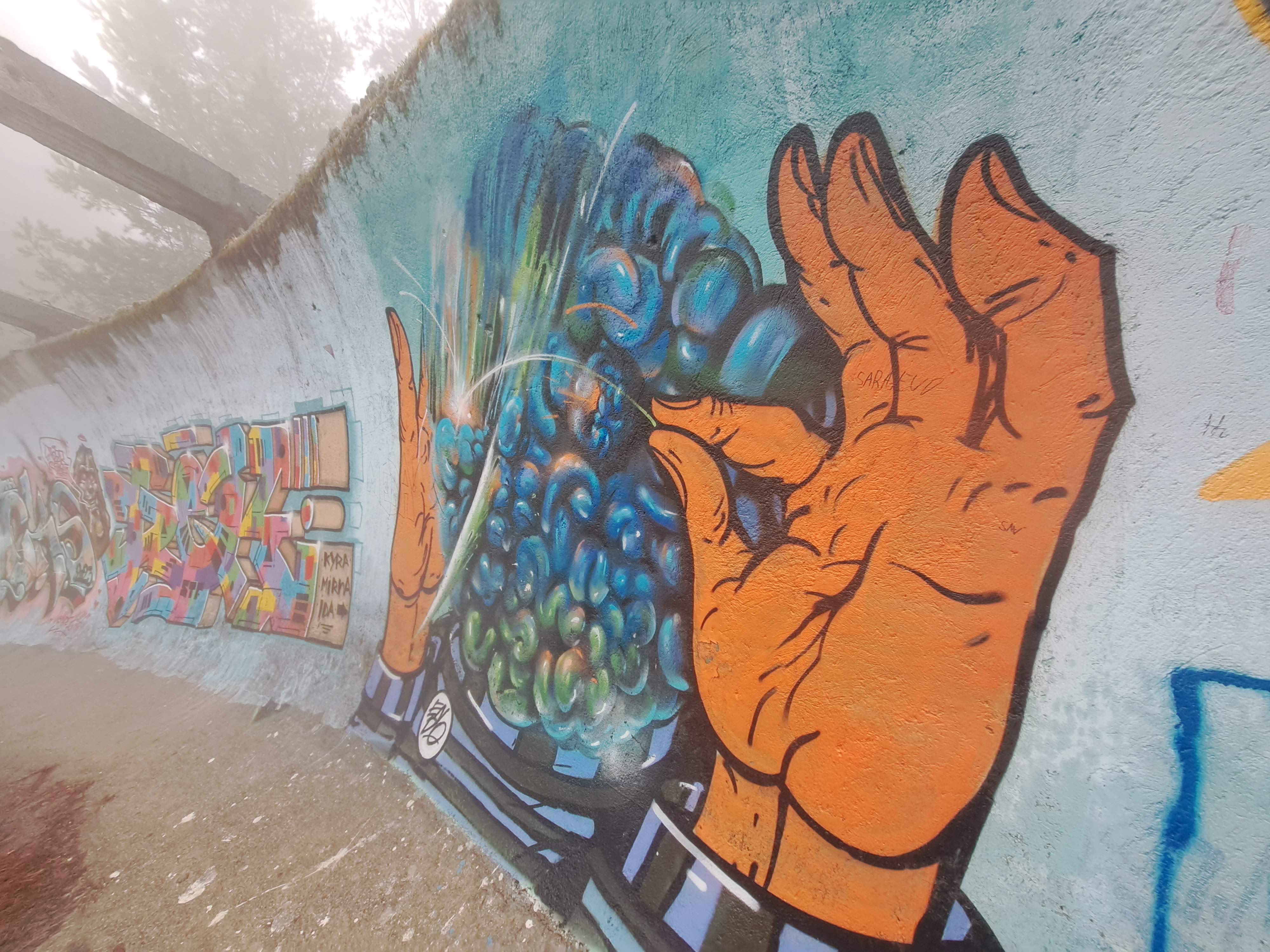
There are two things that stood out to me in Sarajevo that from my perspective cannot be missed. One of them was the Bobsled track. Built in 1984 for the Winter Olympics it was abandoned when the war started in 1990. When there was fighting in the city as well as on the outside, the track fell in disrepair. You can still find mortar shell holes in it as well as bullet holes on some locations. It gives us a glimpse of history, but it also gives us something of the modern Sarajevo that you can find today.
We went up to the track with the Trebević Cable Car. From the top station it is just a short walk to the track.
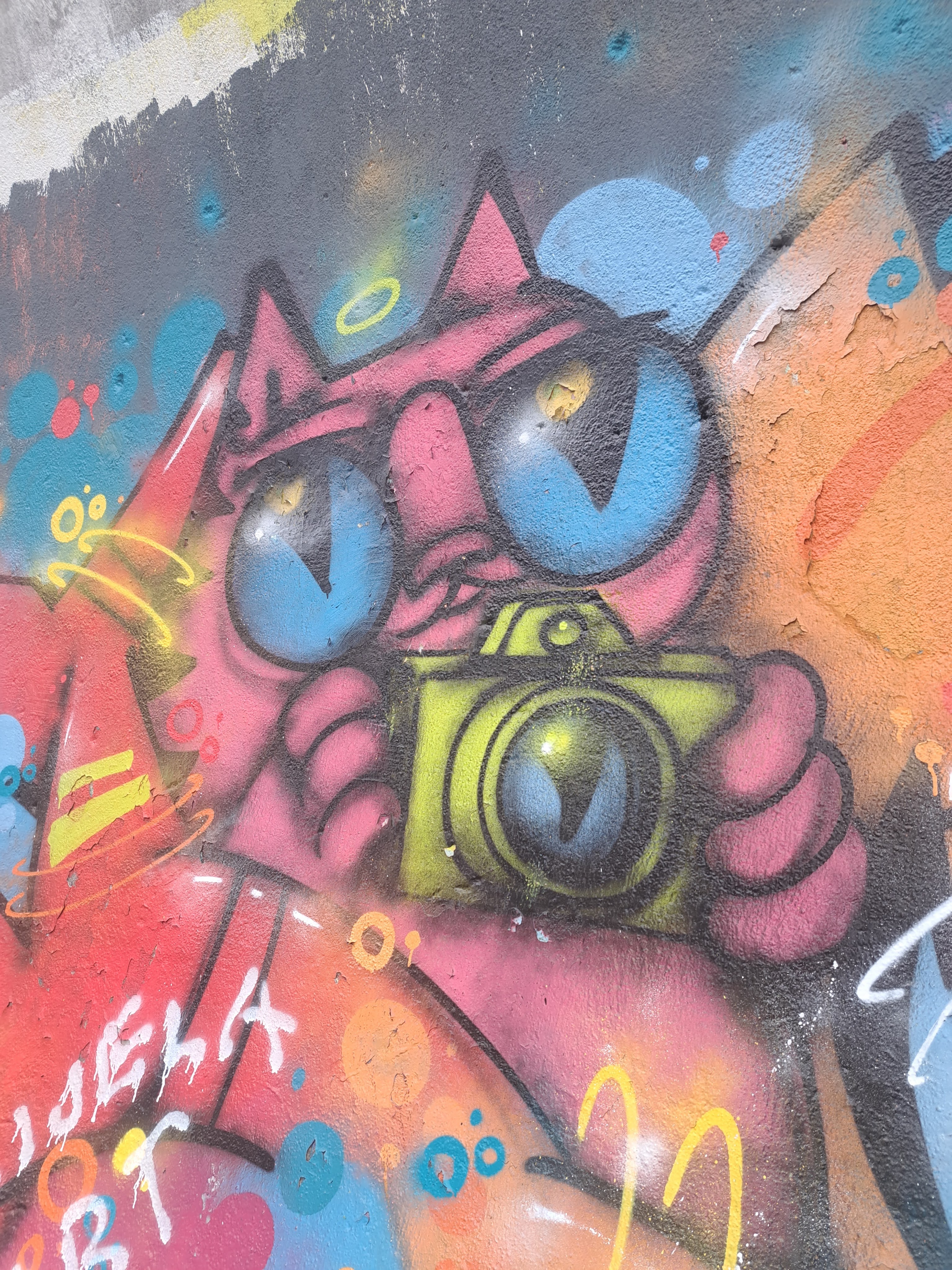
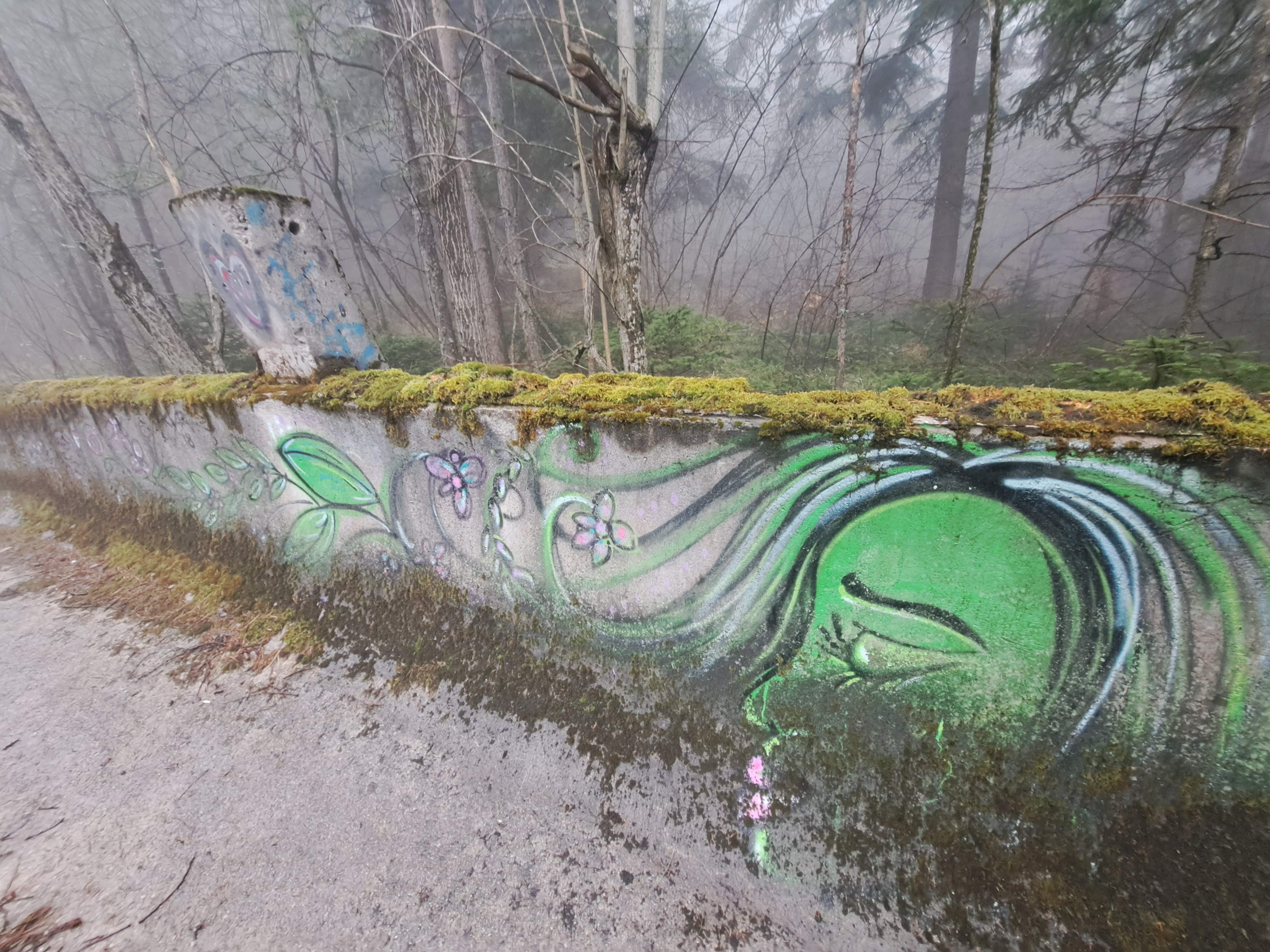
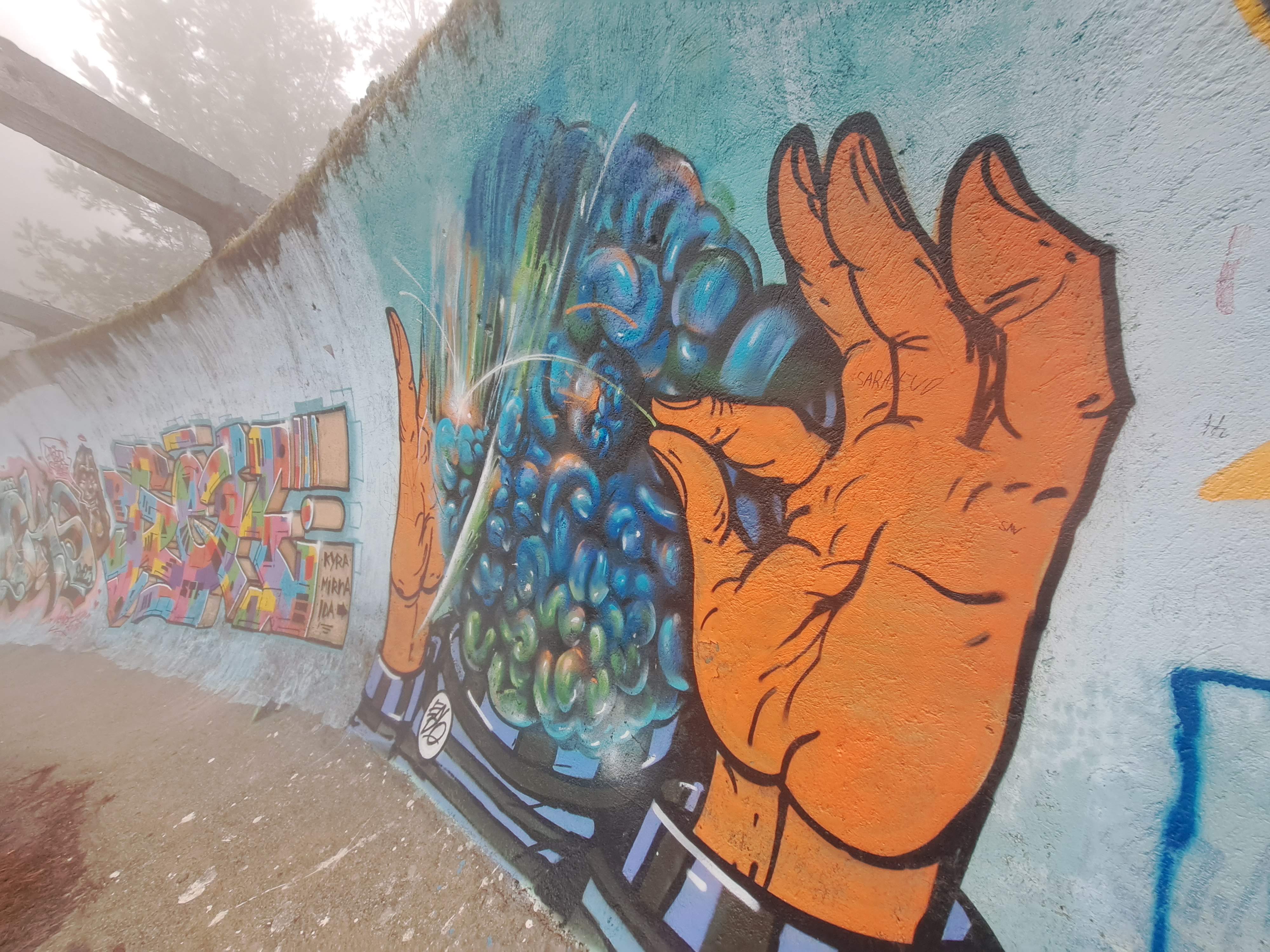
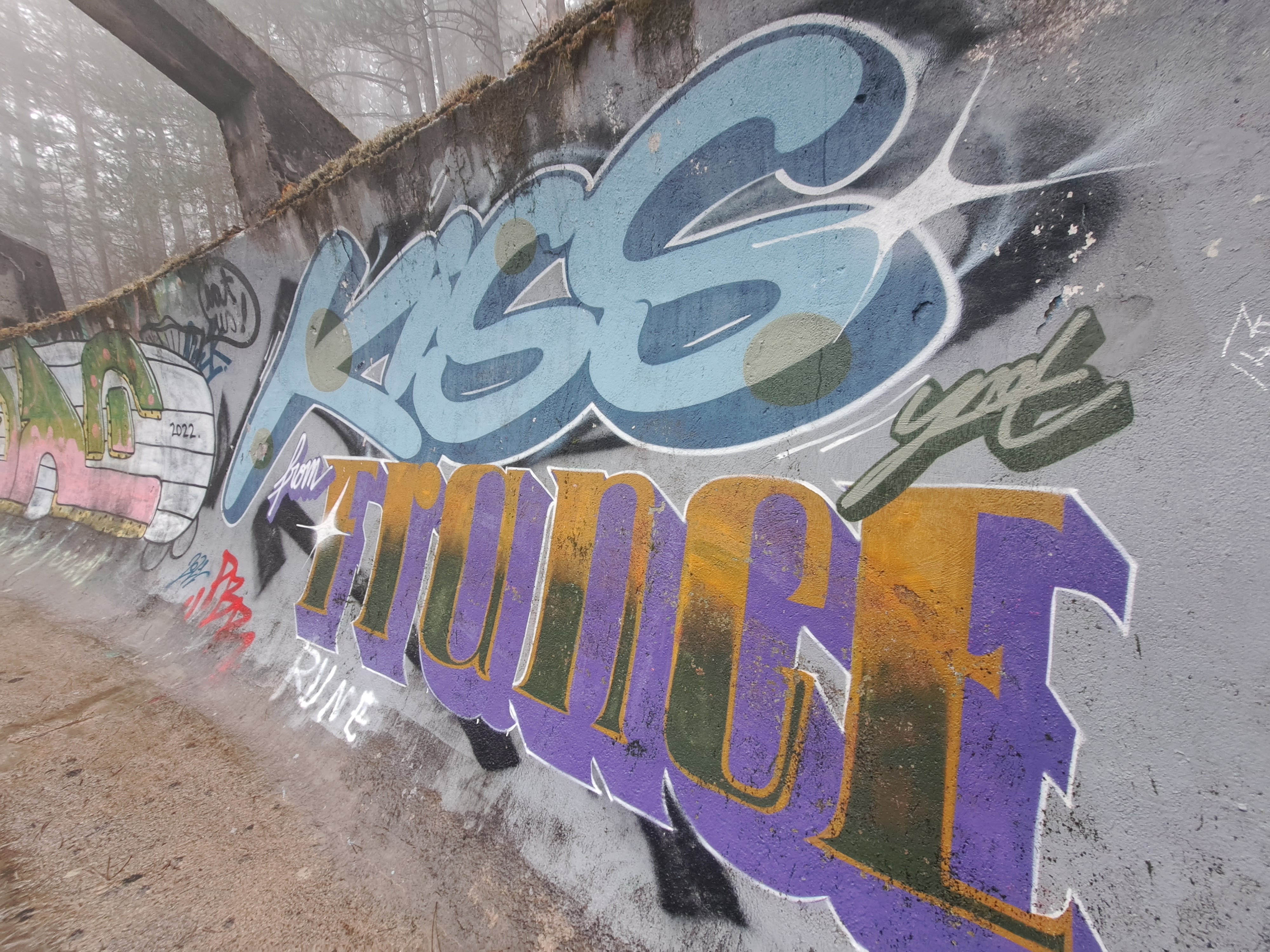
As soon as the track opens in front of you, you can see a myriad of street art that covers its entire length. There’s humorous writings but also beautiful art. There’s references to struggles and nature, protection, and funny caricatures of animals.
We walked the entire length of it, or as much as was possible, switching between different parts of the track but also to the road and we found the finish line at the end. We imagined how it might have looked like when it was used in the 80s and how art found its way here, and showcased a part of Sarajevo that people often miss.
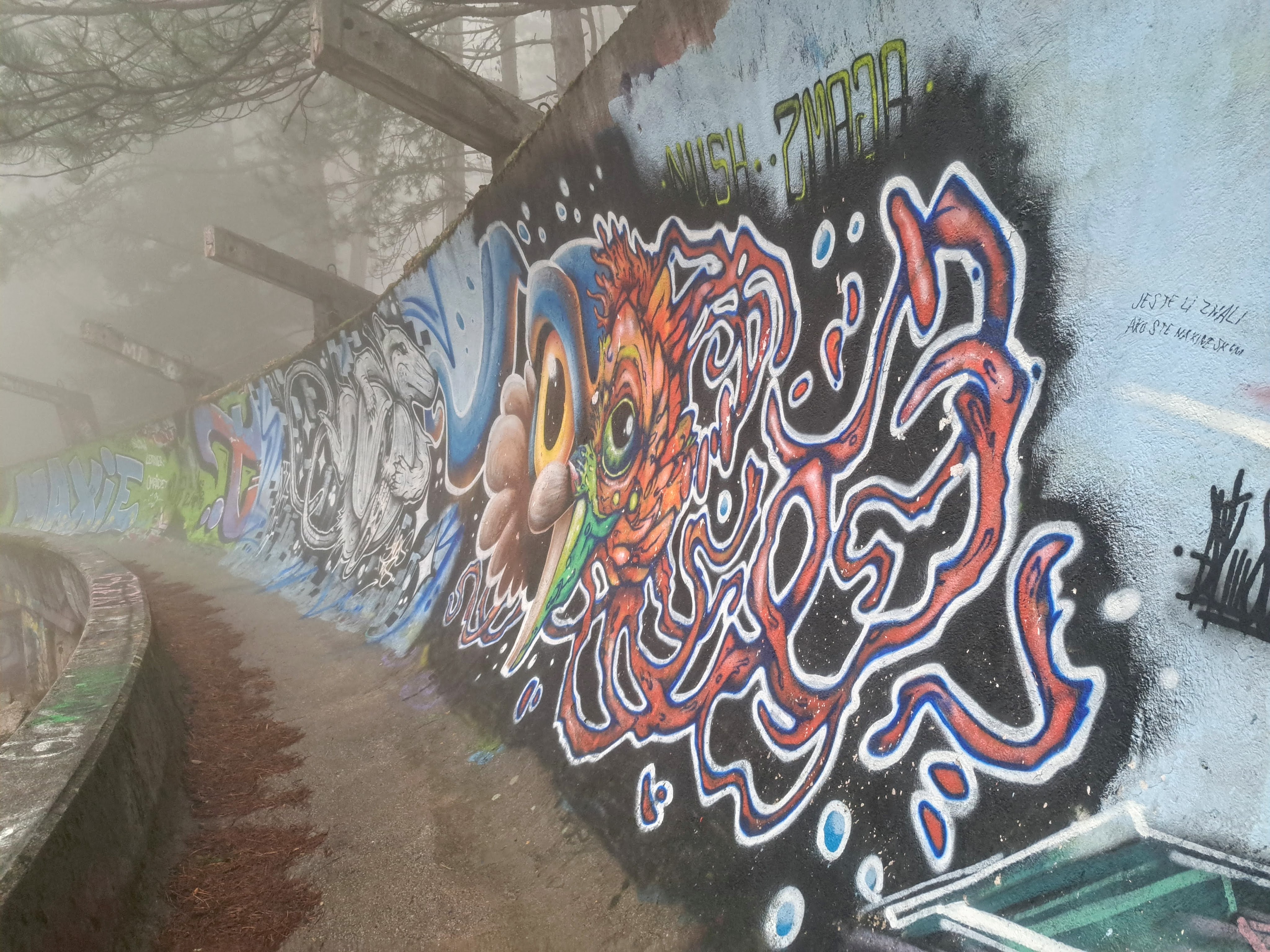
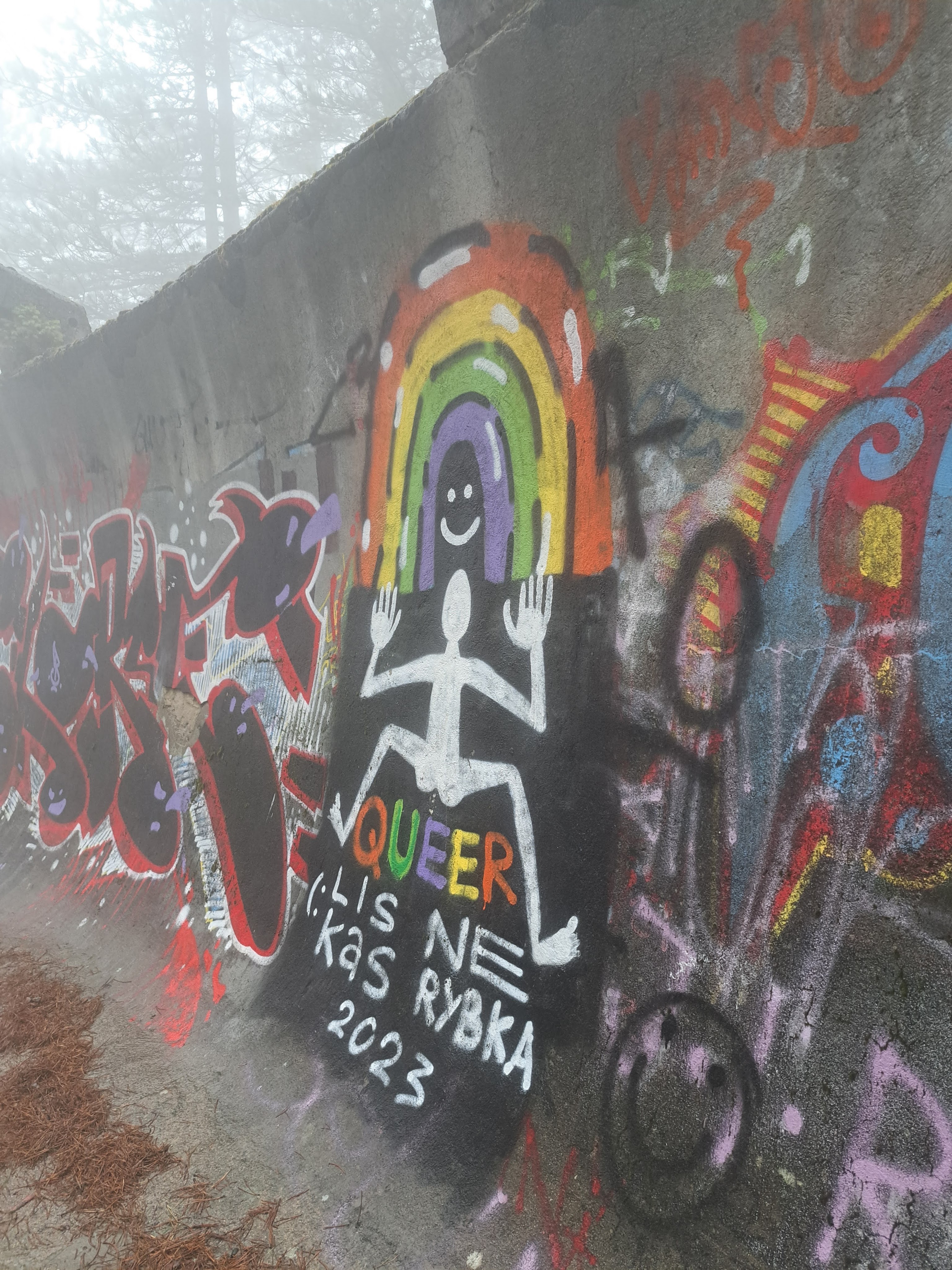
When it was too cold to keep going and we were drenched and cold from the rain, we made our way back to the station. There were drinks and coffee there. The view was obstructed by the rainy and foggy day. If you find yourself there when it’s been snowing, the tracks are covered in snow. If you see the view on a clearing day, Sarajevo will stretch out below you. Nevertheless, we enjoyed our way down with the cablecar.
After a day steeped in Sarajevo’s history, we found another side of the city, one full of warmth and flavour. Because that same evening we had a reservation at a vegan / vegetarian restaurant. That was the second thing in Bosnia and Herzegovina that stood out to me.
You had to have a reservation. The host that is as spicy in attitude as his food is delicious and thoughtfully arranged, will send you away if you don’t. It’s called Karuzo Restaurant (karuzorestaurant.com). If I was living in Sarajevo, and I swear it is a place I certainly could live in, I would go there a lot.
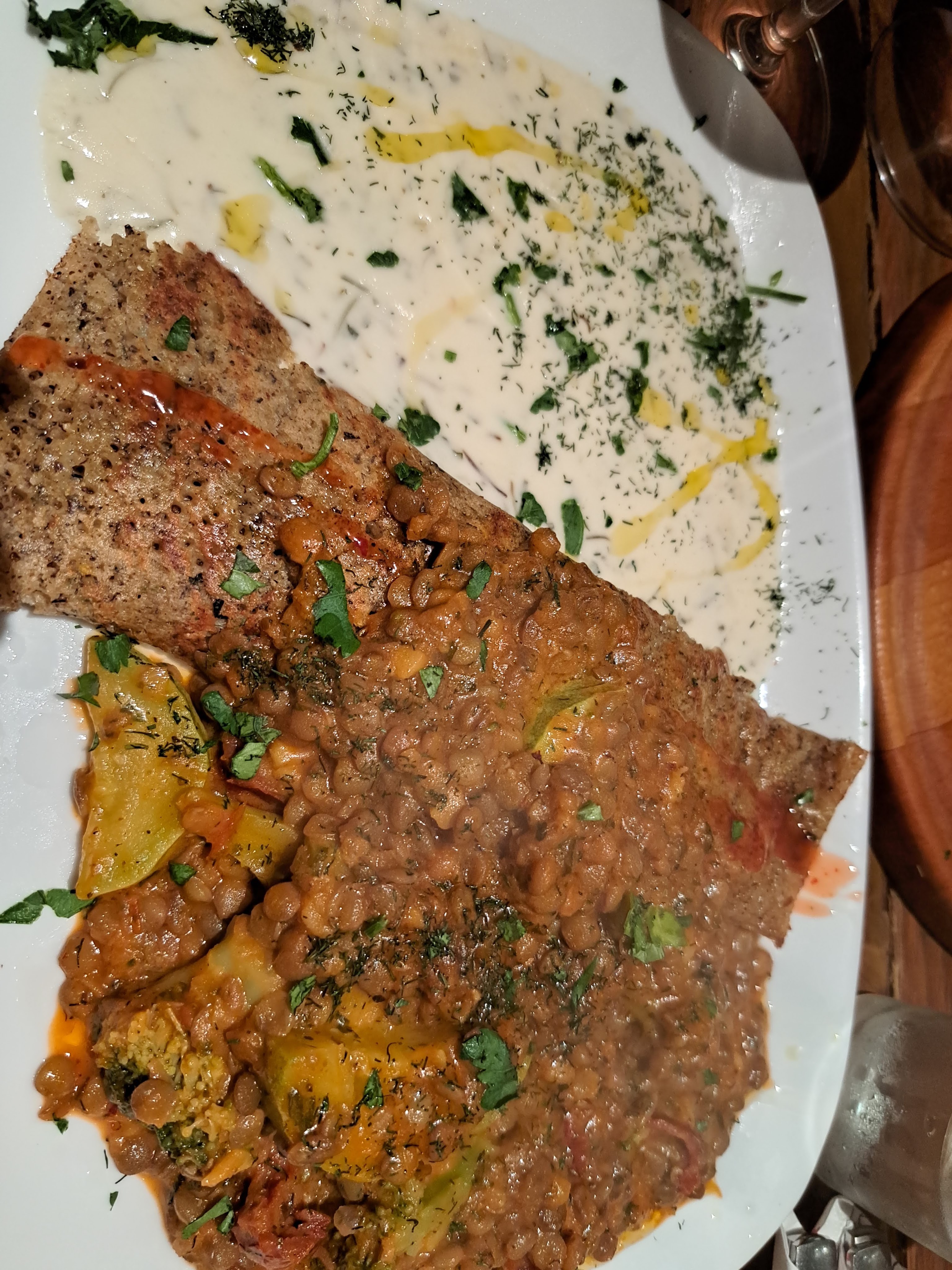
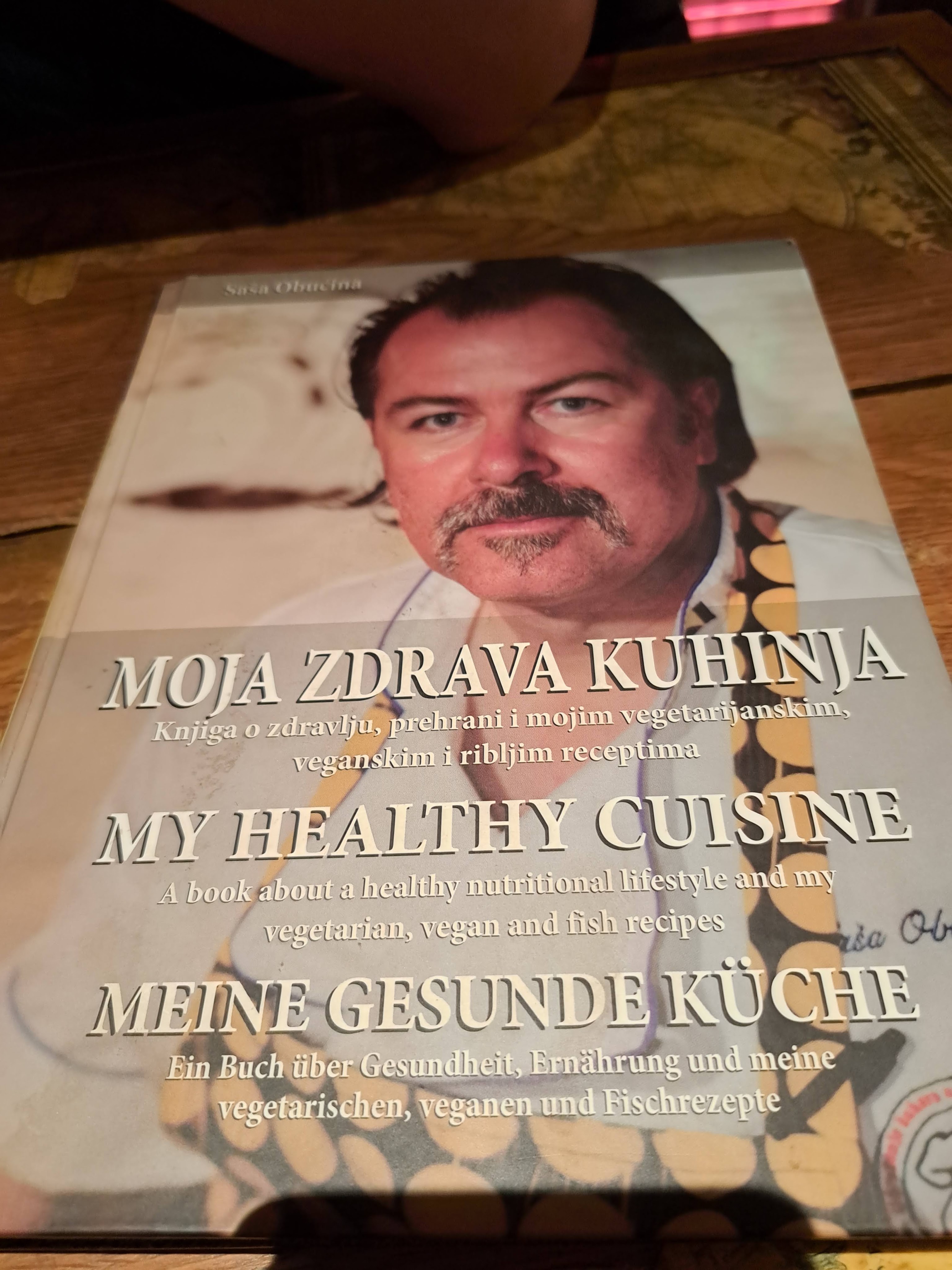
It’s a small place, tables arranged left and right as if in a boat. There’s stairs towards the kitchen downstairs, and the smell coming out from down there is utterly delightful.
The chef has published a cookbook because he realized at some point that there was a need for whole and healthy food. His cuisine is mostly vegetarian or vegan, whole foods and the flavours are incredible. I could hardly decide on what to choose. The menu is extensive, and while he greets you with some attitude, his care shines through. He likes to share his home cooked fare as much as his home with anyone who appreciates the effort that goes into it.
We left the place fully satisfied and amused but also appreciative of the way we were welcomed there. If you’re looking for a place that gives you love like this, this is Sarajevo for you.
Sarajevo surprised me. I expected history. And I certainly found it everywhere, from the Sarajevo Roses to the bullet holes in the bobsled track. But I didn’t expect how alive the city feels today. Between the humour and resilience expressed in its street art, the warmth (and spice!) of its food scene, and the quiet strength of its people, Sarajevo showed me a balance of memory and renewal that left a deep impression.
Practical Tips for Visiting Sarajevo
If you’re planning a visit yourself, here are a few things we learned along the way:
- Best time to go: Winter has its own charm (especially if you want to see the bobsled track covered in snow), but spring and autumn offer clearer views and more comfortable walking weather.
- What to wear: Sarajevo weather can be unpredictable. We had a lot of rain, so bring waterproof shoes and a good jacket. Layers are your best friend, especially if you’re heading up Trebević Mountain.
- Getting to the bobsled track: The Trebević Cable Car is the easiest way up. From the top station it’s a short walk to the track. Budget about an hour if you want to walk the full length.
- The restaurant: Make sure to book ahead! Tables are limited, and the host won’t hesitate to send you away without a reservation. If you can, go with an empty stomach because the portions are generous, and you’ll want to try more than one dish. The desserts are amazing! Leave room for that!
 Looking 4 Adventures
Leave a comment