The Ultimate goal
The world is streaming to Paris, or London, or New York and, at the moment I am training on my treadmill to walk a 10k in North Korea, because, honestly, how cool would it be to tell people, when I am old that I have participated in the Pyongyang marathon and was cheered on by a whole lot of North Koreans on the way. I could share pictures and revel in memories, and tell a story that barely anyone can tell.
I want to tell people about a challenge and an achievement. I want to feel like I have lived, really lived. That is why I want to travel to every country in the world. That is the ultimate goal. I want to be able to sit in my comfortable chair in the retirement home and tell people about the time I went to Timbuktu, or the time I saw gorillas in the least visited national park in the world, because, while I tried to fit in somehow my entire life, maybe what I really want is to finally be able to say: Hey, that’s me! I have done this, and it was amazing!
They probably would still find me weird, but maybe a bit more eccentric than anything else.
The allure of the unvisited
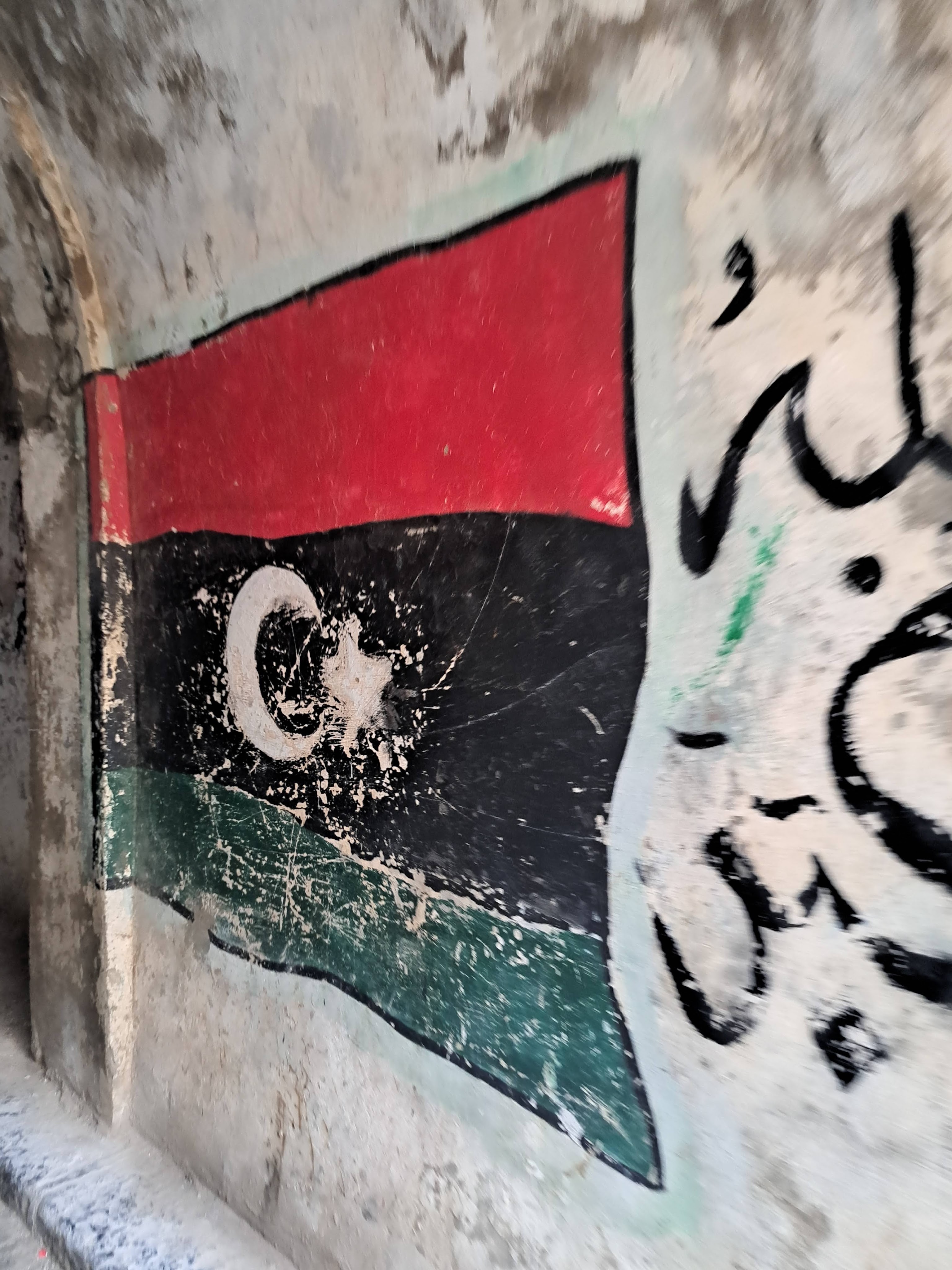
But to achieve this, you need to accept the fact that you will visit places that nobody else wants to go to. Often, that’s because the places are seen as dangerous. Visiting Libya while there is a civil war ongoing and you get into some cross-fire sitting in a very visible tourist bus, might not necessarily be my kind of comfort. It can be rewarding, though and here’s why.
Libya is one of the least visited countries in the world. With less than 6.000 visitors per year, it hardly compares to France with 102 Mio visitors every year. If you have heard of the Paris Syndrome that visitors experience after they have traveled to Paris, this is something I typically do not relate to.
I do not necessarily go to over hyped places that attract people because of the idealized version that is shown in TV shows and movies. I usually even avoid these locations like a plague, because fighting my way through a crowd feels much much worse to my nervous system than the idea of danger.
Sure, I would love to go to Bali, or see the Great Wall of China eventually. I just think that choosing the right timing for those, is incredibly important.
Places like Libya are often ignored, because they are technically unsafe. I wrote a blog post on this whole topic regarding safety. You can find it here: Traveling-the-world-lessons-on-comfort-and-courage
Partially, it is a risk / reward calculation. When we were visiting Libya, curiosity was a big driver. How does a country emerge from a civil war? How do the people live there, and what remains of humanity in a city like Tripoli? What remains of their history? I was curious, and wanted to see, and no, I am not going there to see suffering. I am going there to see hope and strength and to show the world that good things remain, even through hard and challenging times. And that is exactly what makes a trip like this special.
A City of Life Amid Conflict
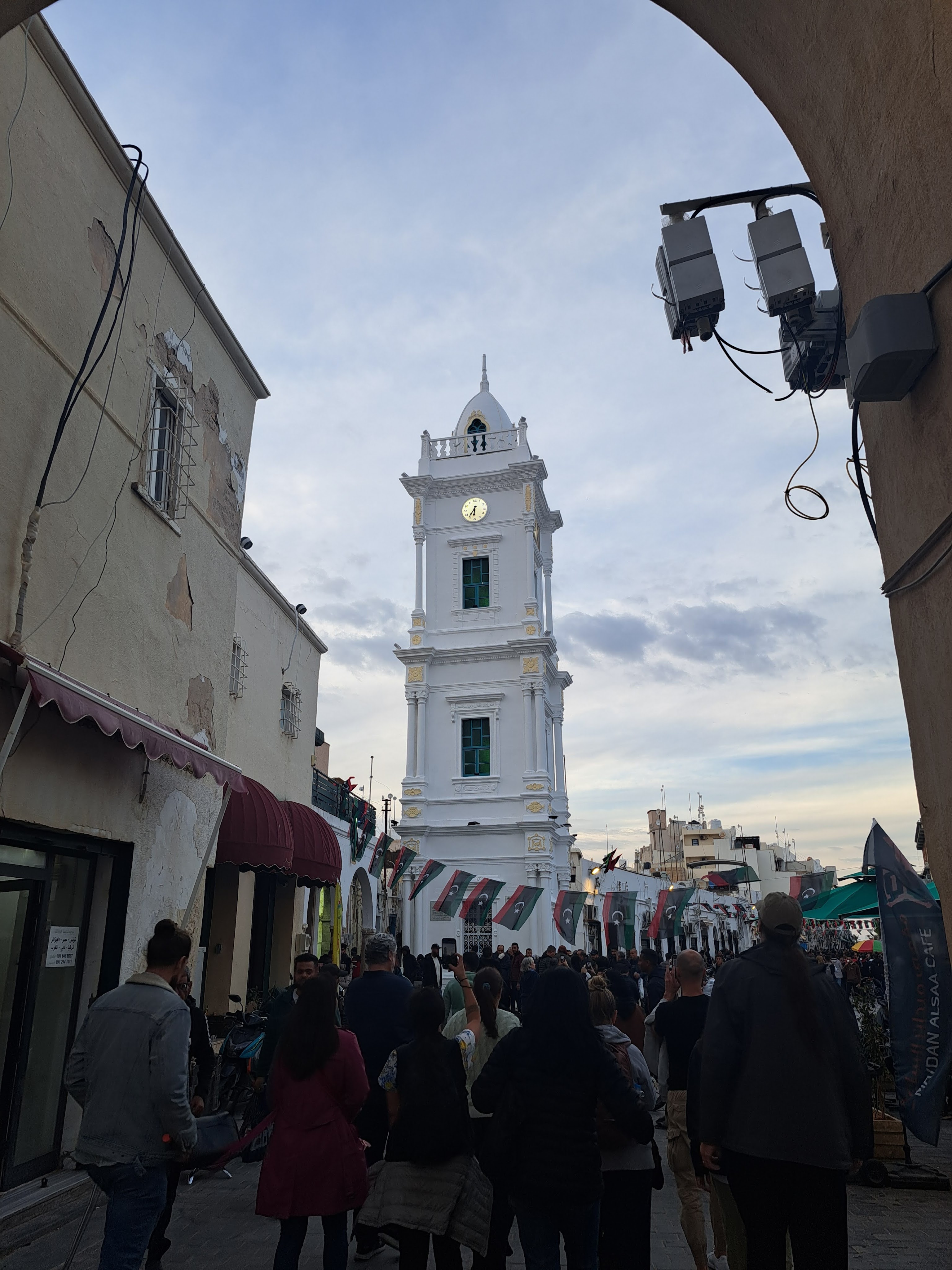
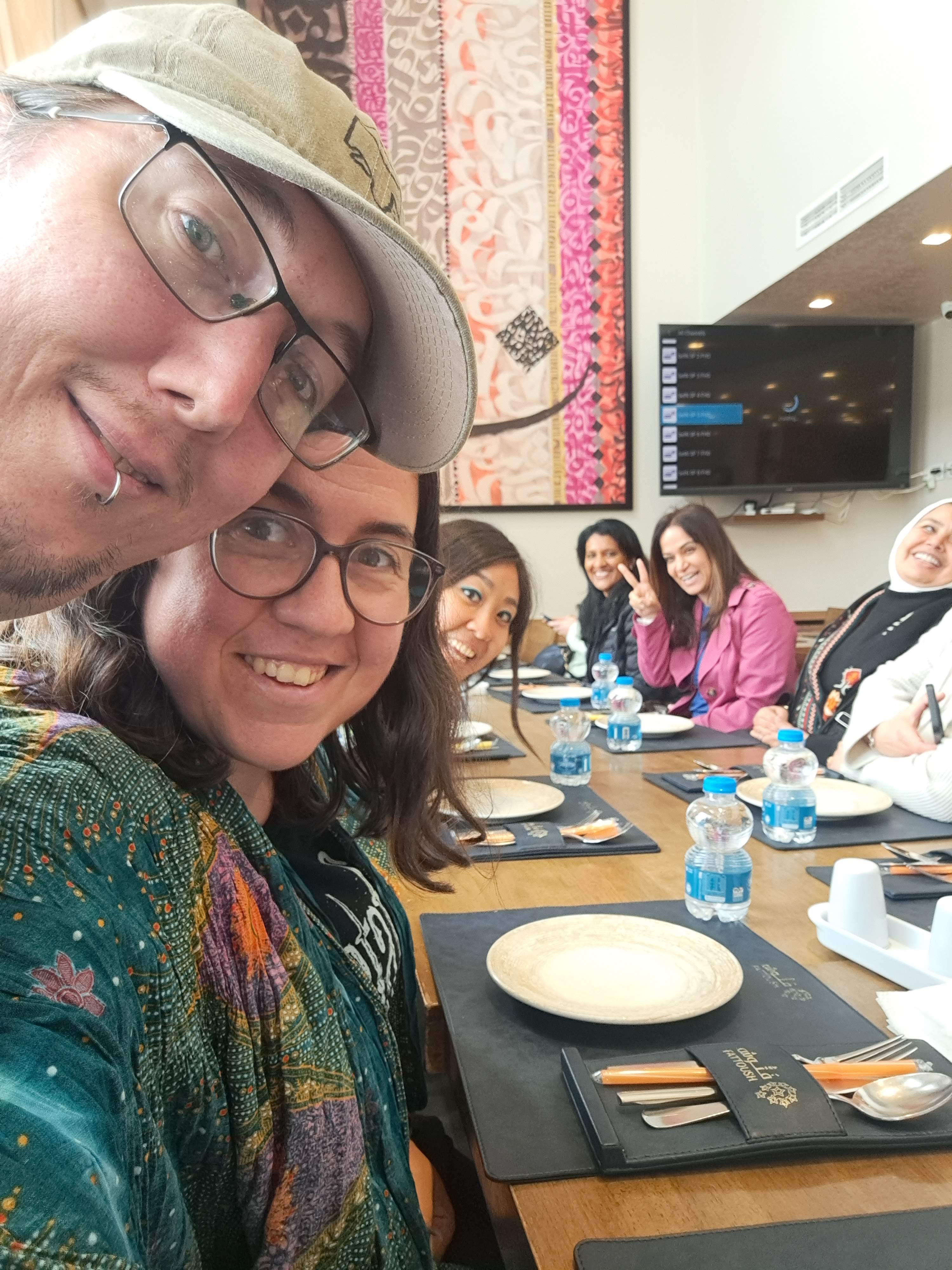
When we arrived in Tripoli, we were held up a little bit for the visa procedures. As we were traveling with a group of friends, this was not necessarily worrying. We all knew, we would stick together and figure things out. We were chatting with old and new friends, caught up on each others lives and were excited about this reunion. After about two hours, all was well, and we entered Libya. We were picked up by a large tourist bus, were giggling about the attention we would be getting, while it probably would make more sense to stay low-profile in a place like this. No matter, we all got into the bus and off we went.
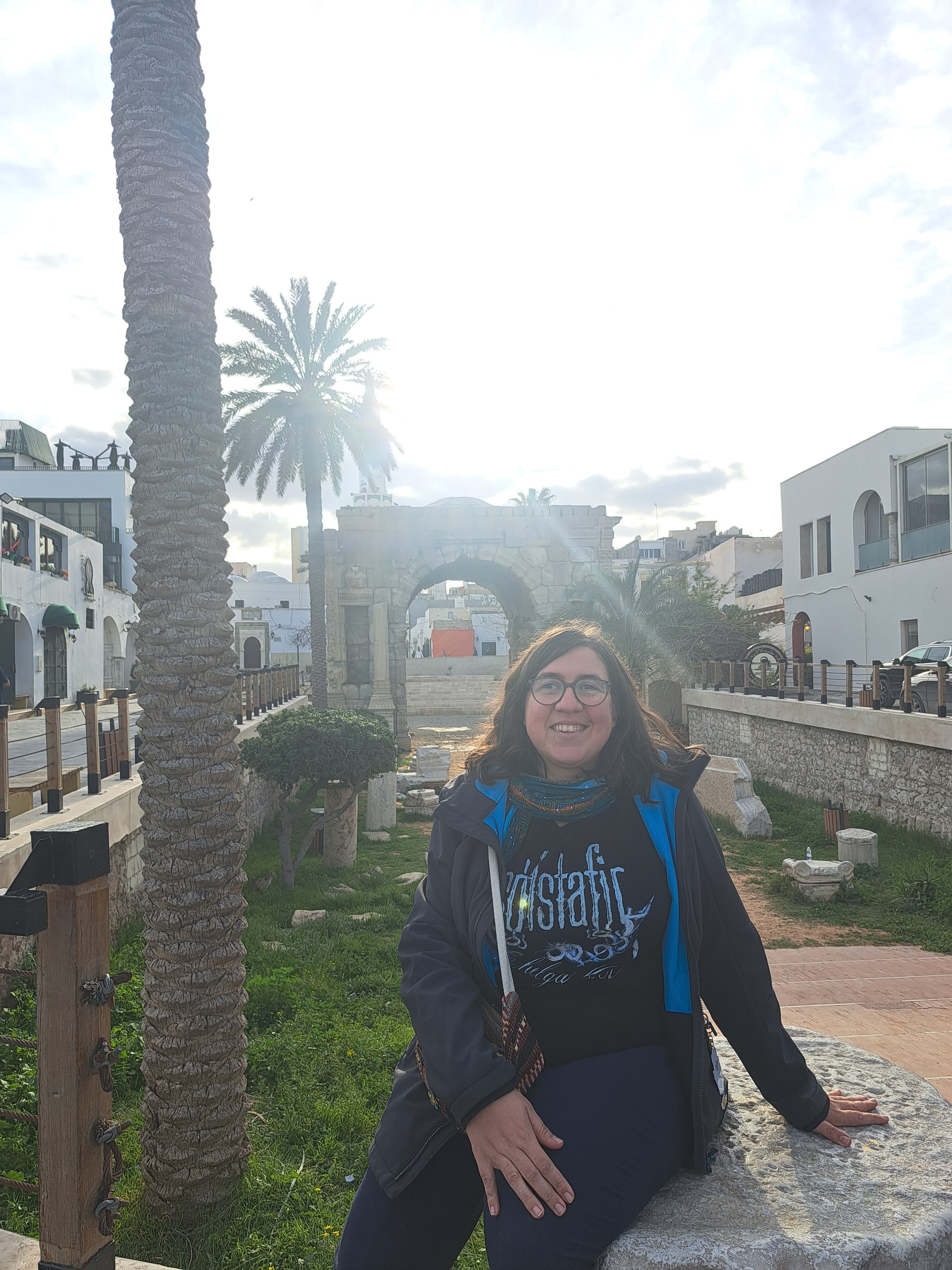
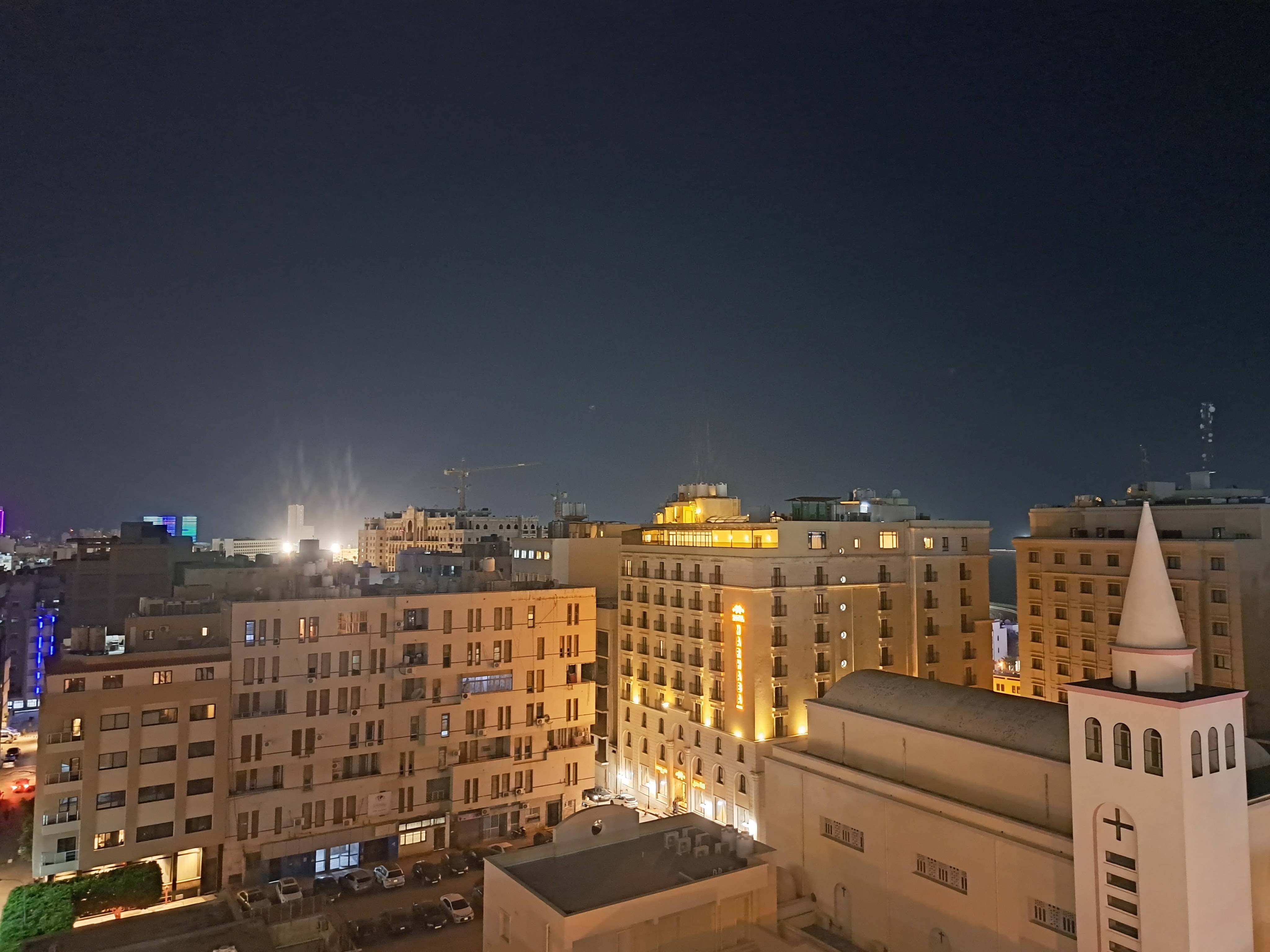
Exploring Tripoli was like exploring most capitals in northernmost part of Africa. The Arabic influence was strong, the Roman Empire had its reach, and we walked through the streets with a lot of people around us, just going about their day. The setting sun made everything look pretty and lightly orange hued. The whitewashed buildings and old structures looked stunning with the Mediterranean in the backdrop.
And if you had told me that just a few kilometers outside of this glorious place, there was still fighting going on, I might not have believed you. Life was there! We visited an art gallery, had snacks and mint tea, and watched children playing and men gambling and women folding laundry.
The city was still showing signs of better times when it was politically more stable. It did not feel tense. And I mean, I know high tension places. I can tell you about Bangui and how you could feel it in the air. How you could snap your fingers, and it felt like people might start shooting at each other. Tripoli did not feel like this.
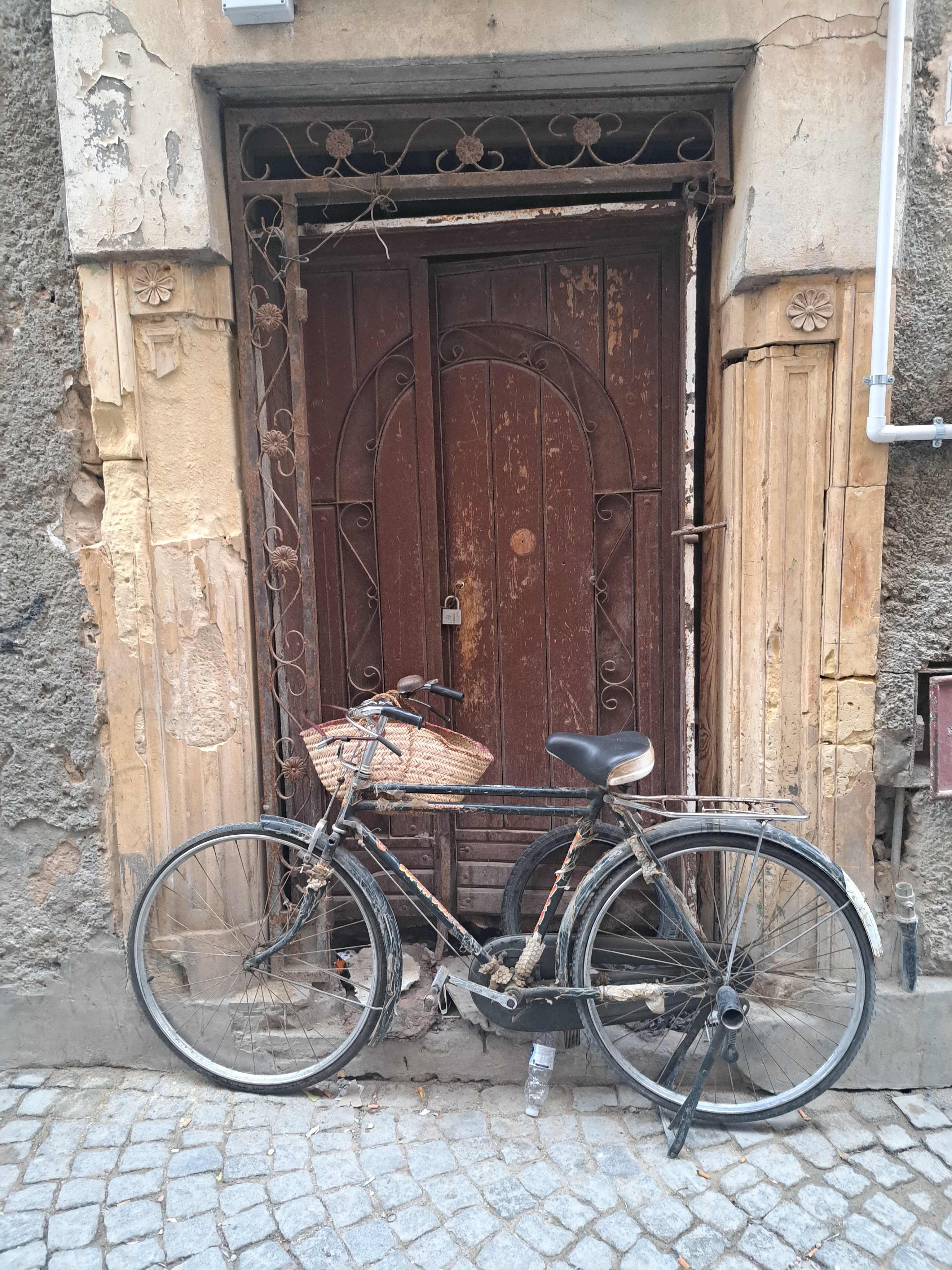
Ruins without crowds
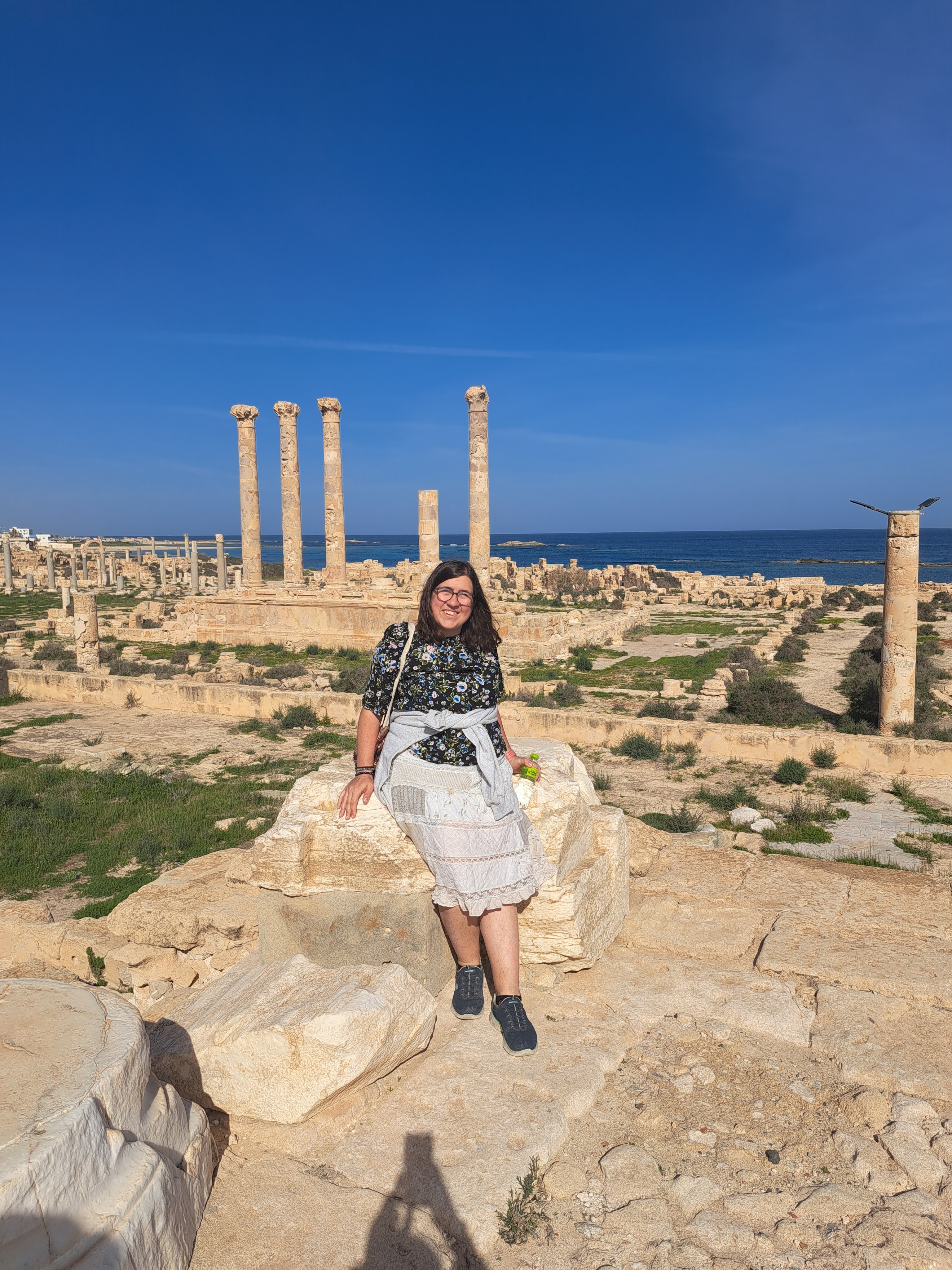
When people think of Libya, they think of the current civil war, but some of the history buffs among us might think of the Romans reaching over the Mediterranean into Libya, of Leptis Magna with the remains of a beautiful Roman bath, of Sabratha with the massive theater looking out towards the sea. The restorations have been halted due to the lack of funding, the guide told us. Nonetheless, it’s significance is overwhelming.
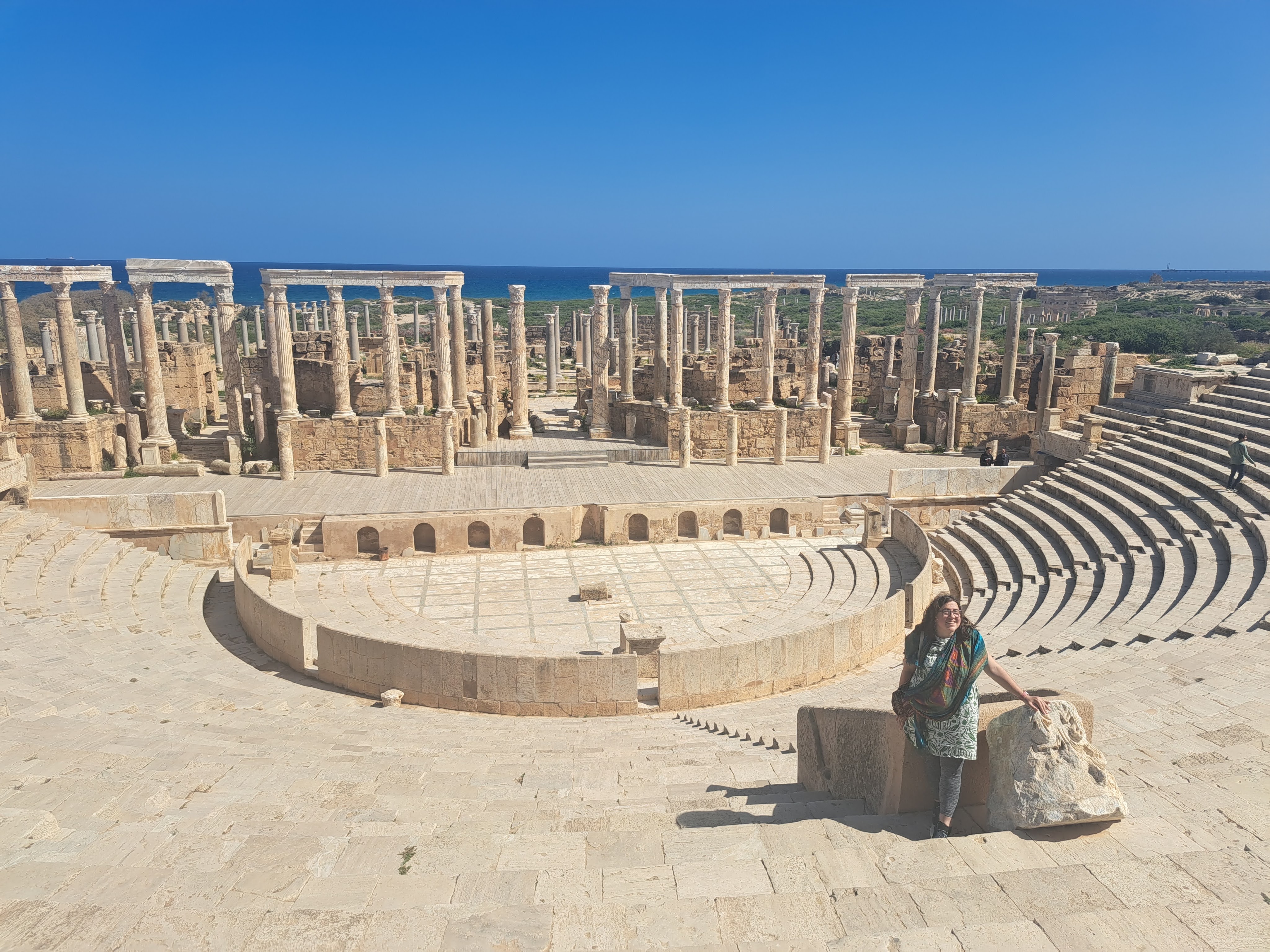
And while you can see Roman ruins in Rome, the ones in Libya stand out, not only because of how well preserved they still are, but also by how little they are actually visited. There’s no crowds there. We had the ruins to a large part to ourselves.
In some way I wonder if some years down the road, visiting those places might be easier and less risky. But there’s always the risk that, if you don’t do it now, they might also be gone a few years from now, like the Buddhas in Bamyan (Afghanistan).
Wouldn’t it be sad to miss out because I was scared to do something even if I wanted to?
Lessons in Ghadames
But beyond the contrast of danger and safety, what really pulls me to these places is the chance to learn something I never knew before. That is what we found in Ghadames.
After hours and hours of driving, and the interior of the bus getting a good shake-up, we arrived in Ghadames to have a look around in the old town of the city. Ghadames is most known for specifically the setup of the city, where the women live and move around on the connected second floors of the houses, whereas the men live and move around on the ground floor without ever meeting each other.
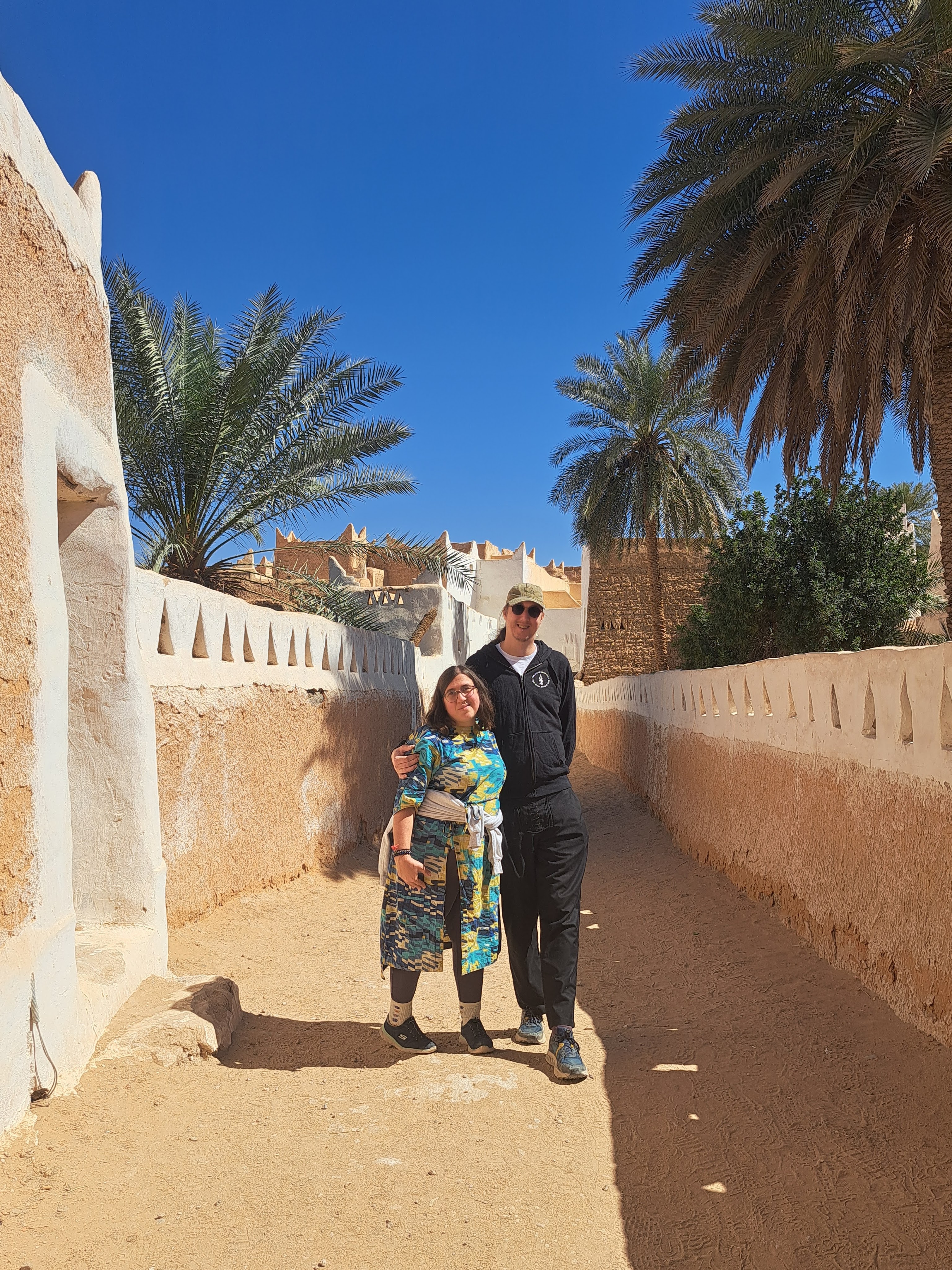
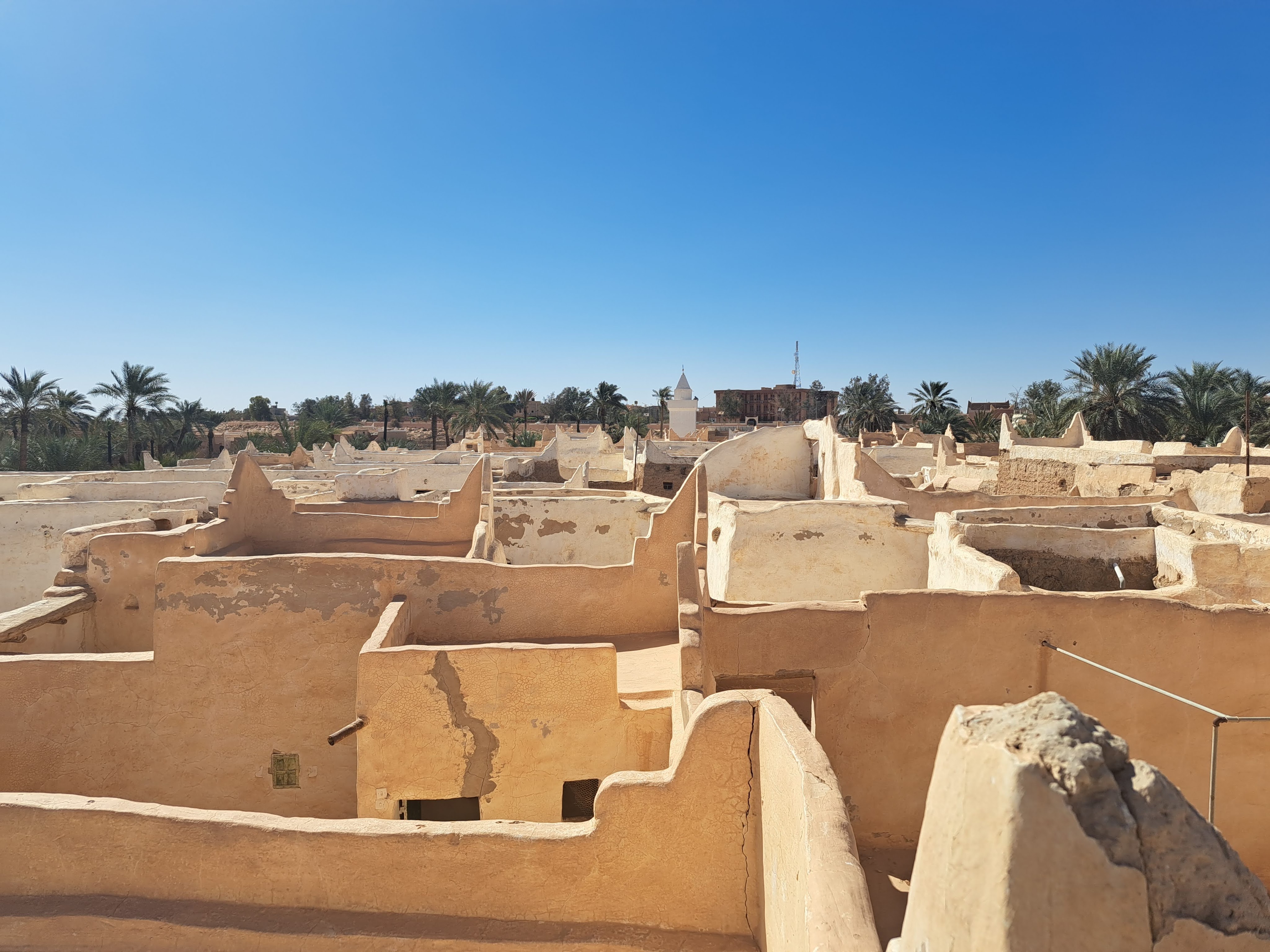
There are special knocks for when a man is knocking at the door compared to how women are knocking, so that you know who you will encounter when opening the door. The whole city consists of interconnected whitewashed buildings. The water network is amazingly well established, and we learned a lot about the settlement which is by the way, one of the oldest ones in the area.
That evening we had a shisha and took beautiful sunset pictures on a sand dune, and talked about life and traveling, and good company with our tour guide, and it again felt like we could have been anywhere in the world. And sitting there on the sand dune, I thought: this is exactly why I want to visit every country. To see life, strength, beauty, and resilience where the world only sees risk or irrelevance.
Would I recommend visiting?
It was peaceful and quiet, and exciting, and beautiful, and like an experience so many are missing because they are not feeling adventurous enough. Not that I would encourage just anyone to go to a place like Libya.
I would tell people to take precautions, to be properly insured, to maybe go with a group that organizes security. We also had a police guy escorting us all the way throughout the country. He was the first to hide when we were sitting in the bus and the people outside started shooting each other, but, I mean, it still counts, right?
In a way, I think to some I might sound crazy for doing these things, for walking into these places out of curiosity. It might sound like I live with reckless abandon, and maybe I do. This is not for everyone. This is only for those that want to tell a story about the experiences they have made, the people they encountered on the way, and how beautifully different, but also beautifully the same we all are.
Because if I don’t live my own story, who will?
 Looking 4 Adventures
Leave a comment