A winter adventure in Dubrovnik
Picture this, it is January and you are standing on Cercei’s Walk of Shame staircase completely alone – the perfect picture opportunity, instagram heaven (if you care about it!), no crowds, it’s wonderful!
I typically try to avoid high season like a disease unless there’s no other choice. Sometimes I think this is the reason why going to the least visited National Park or the least visited country sounds so tempting to me. But honestly, the lack of crowds and sensory stimuli are my peace. Therefore, shoulder season is my obvious choice for traveling.
But what do I actually mean with Shoulder Season?
Shoulder season is the sweet spot between peak season crowds and low-season closures. It’s when the weather is still pleasant. Prices are often lower. Popular destinations are much calmer. This makes it ideal for introverts, sensory-sensitive travelers, and anyone who just wants a more peaceful experience.
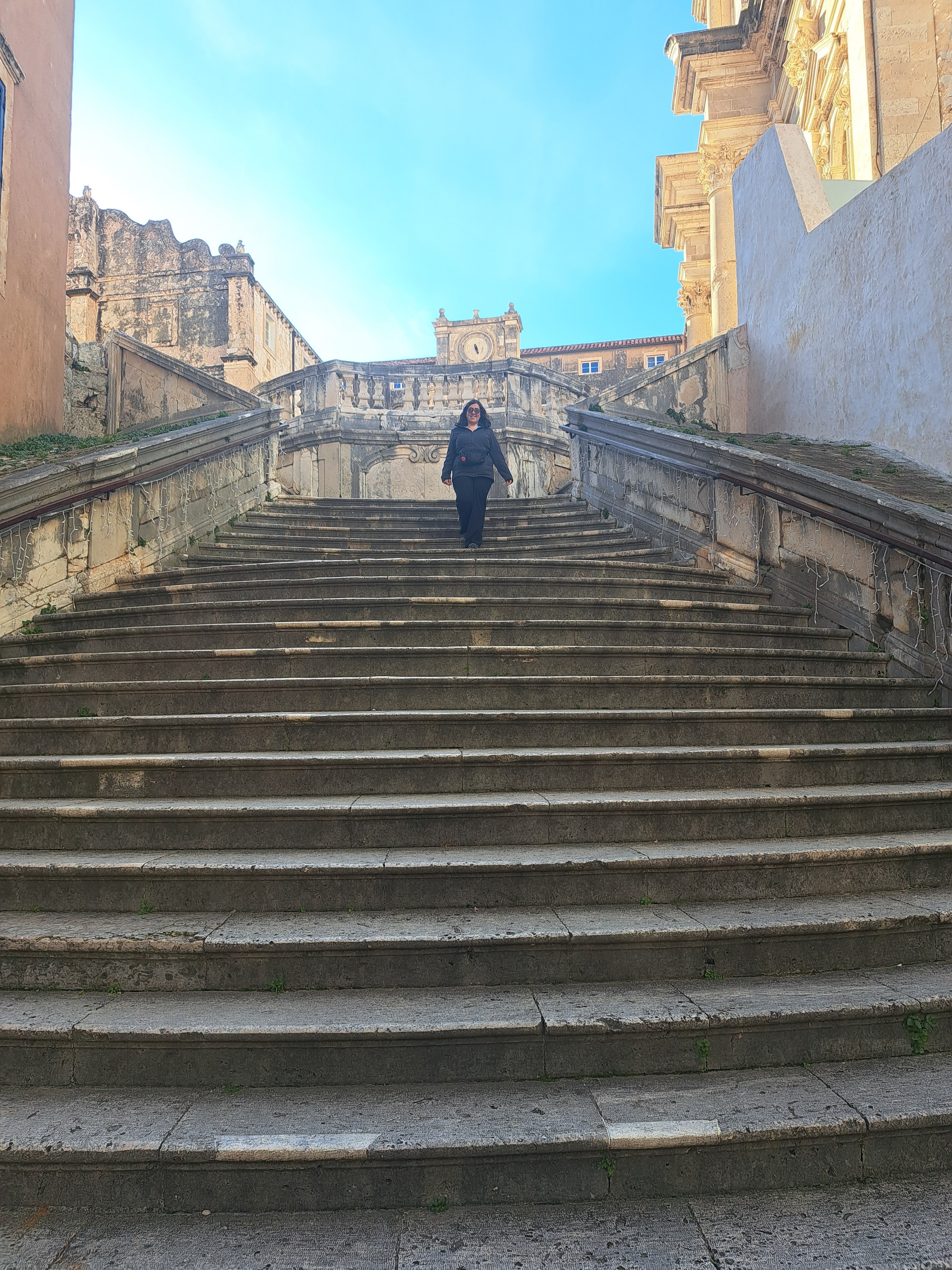
We usually take the end of the year period to visit family. Alternatively, we travel to places that are typically touristy during summer. These places are perfectly suitable for introverts in winter.
Dubrovnik turned out to be the perfect choice. I’ll admit, the usual images of packed city walls and cruise ship tourists made me a little nervous. (The Great Wall of China still gives me anxiety just thinking about the crowds.)
We found a nice apartment to the North of old town. We arrived by bus rather late in the evening. We were set to explore the city in the morning of the next day.
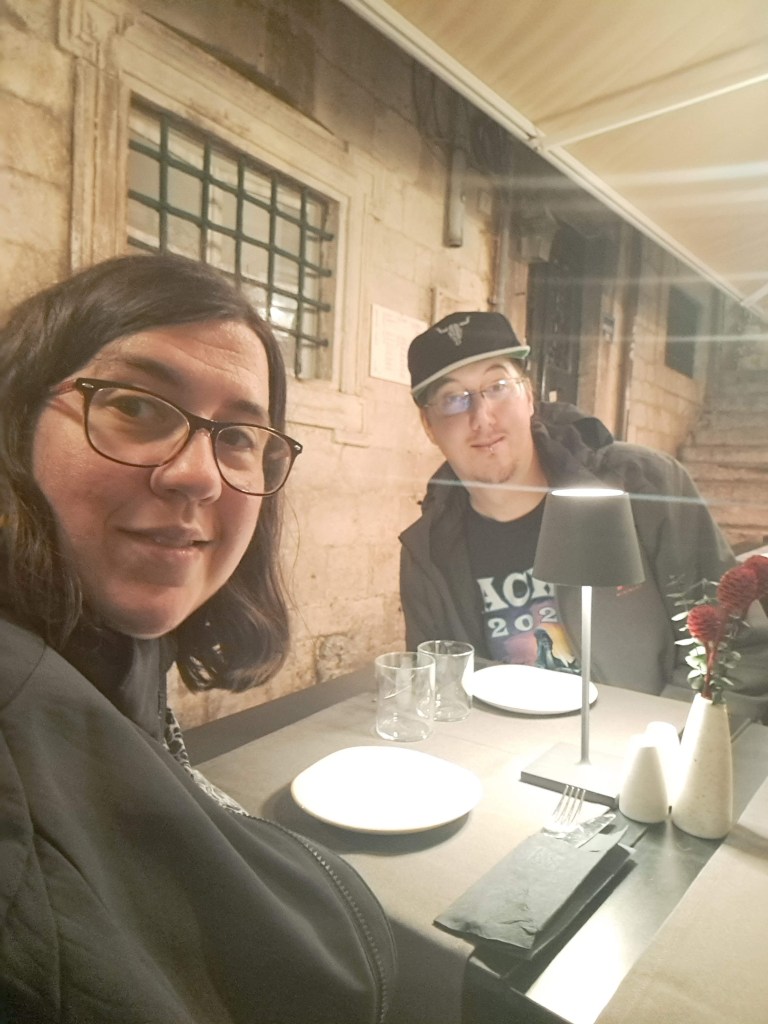
The One Thing We Didn’t Plan For in the Off Season: Dinner!
What we didn’t quite expect: many restaurants were closed during the off-season. This made finding dinner a bit of a challenge. But with some patience, Google Maps, and a willingness to walk a little further than planned, we ended up discovering a really great spot.
📌 Tip: If you’re traveling in the off-season, research open restaurants ahead of time — or be prepared to walk a little.
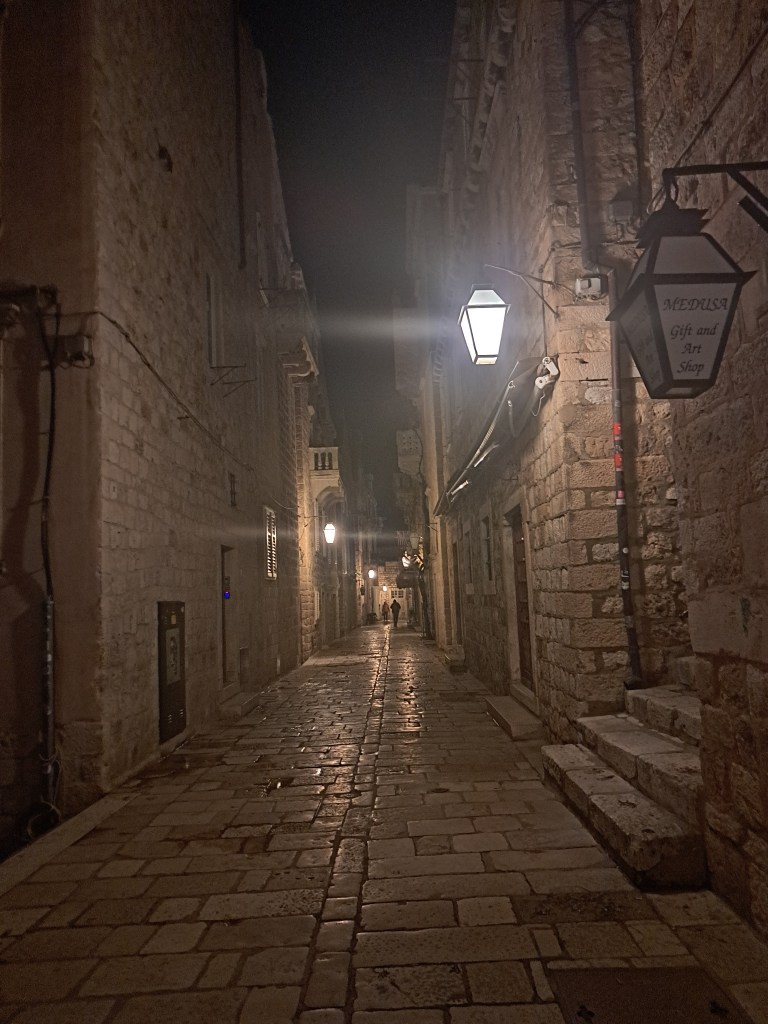
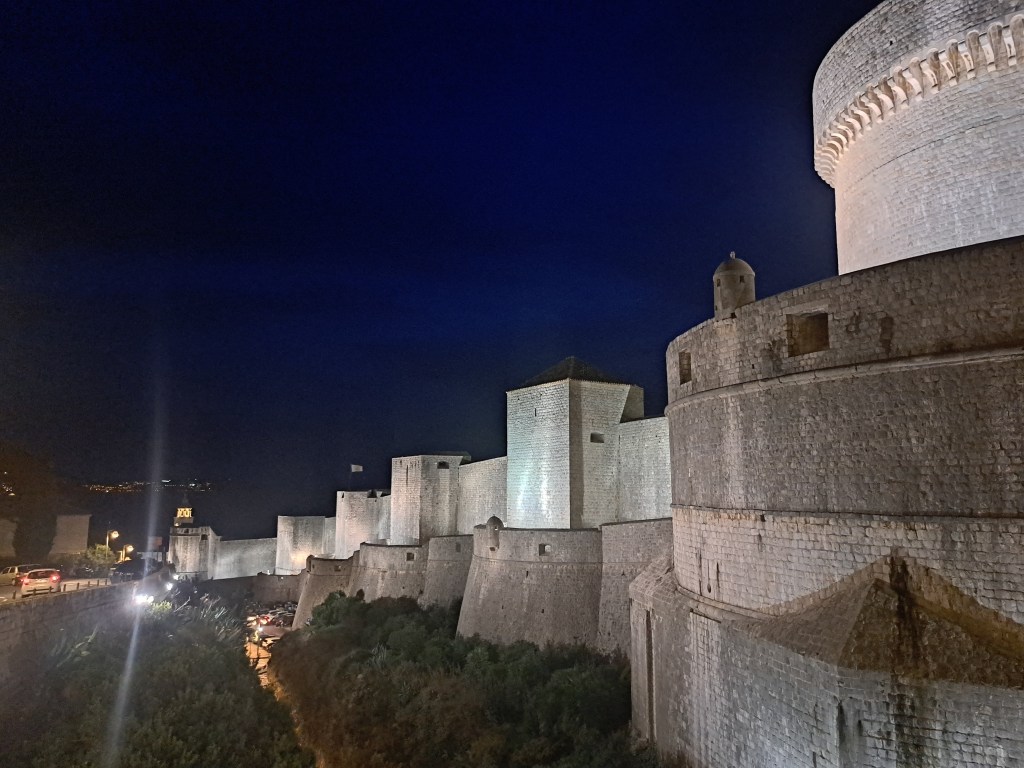
With a full stomach, we took some pictures of the nightly skyline (already pretty!) and settled back into our accommodation.
Quiet Streets, Empty Walls, and Cat Companions
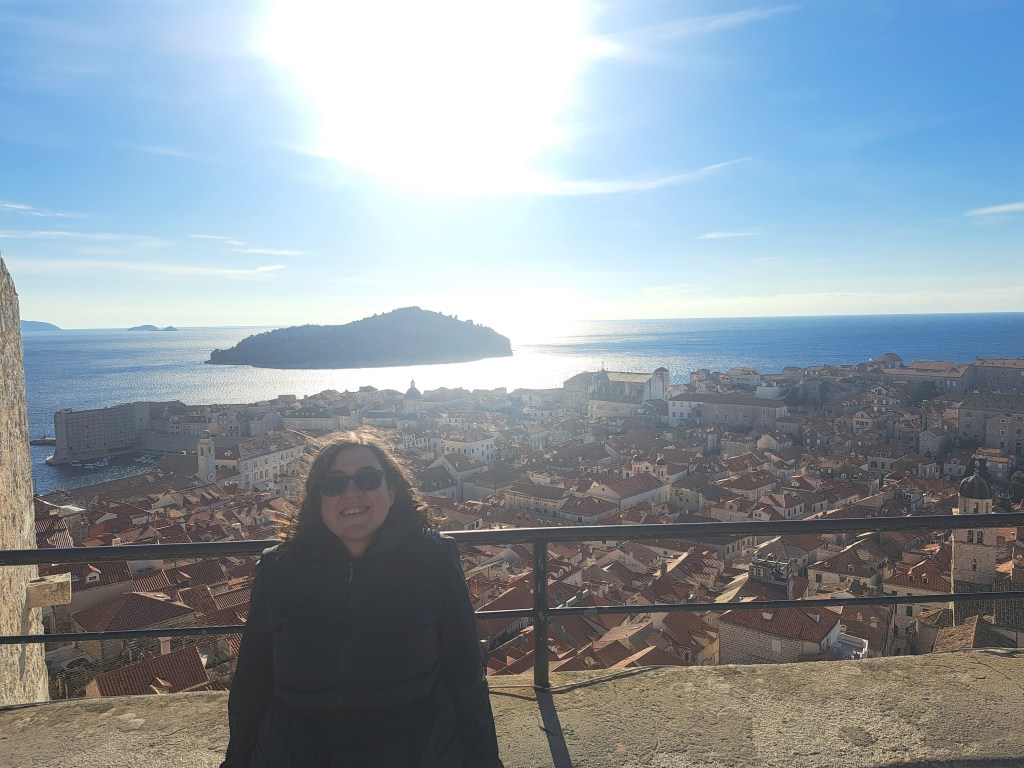
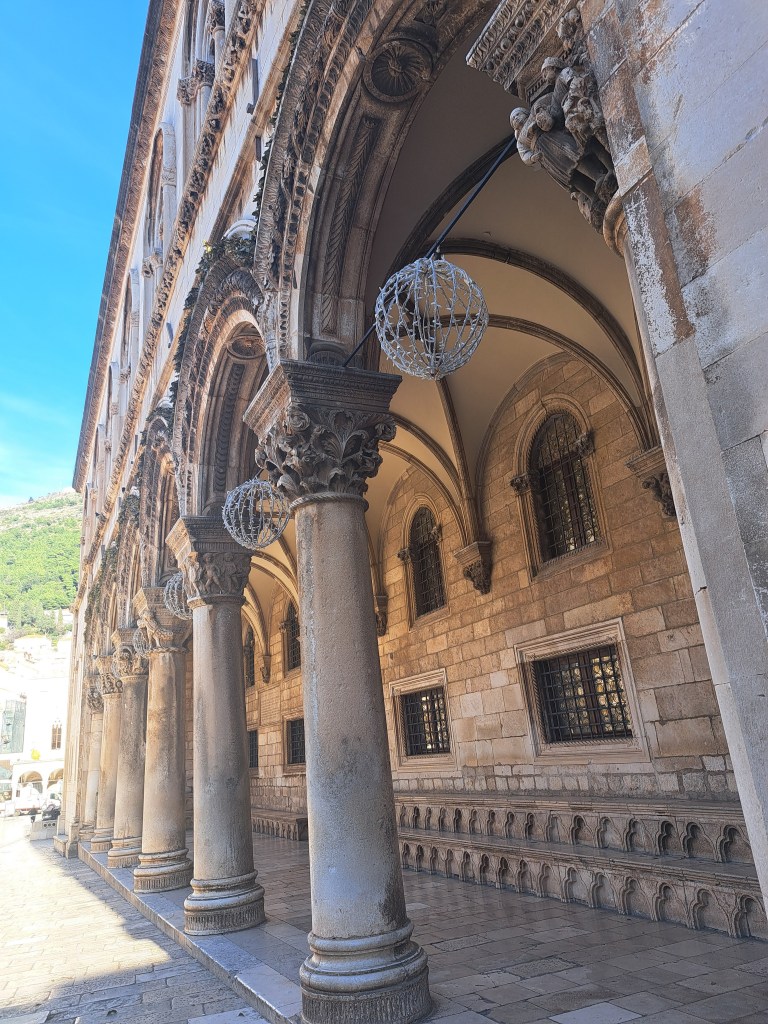
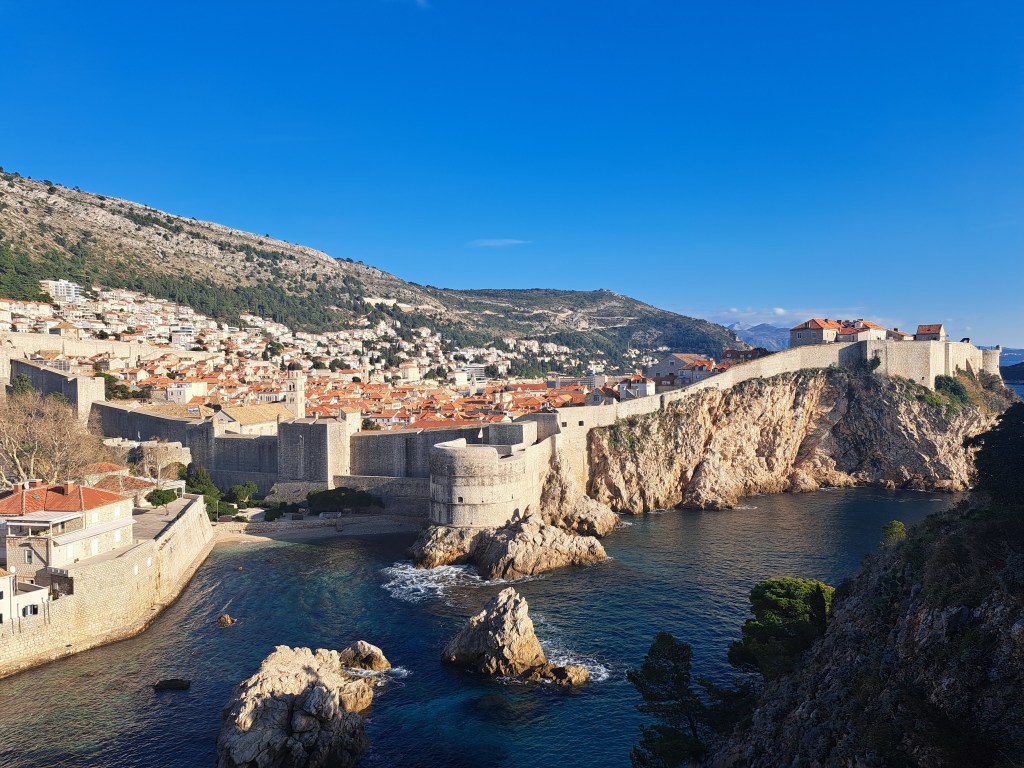
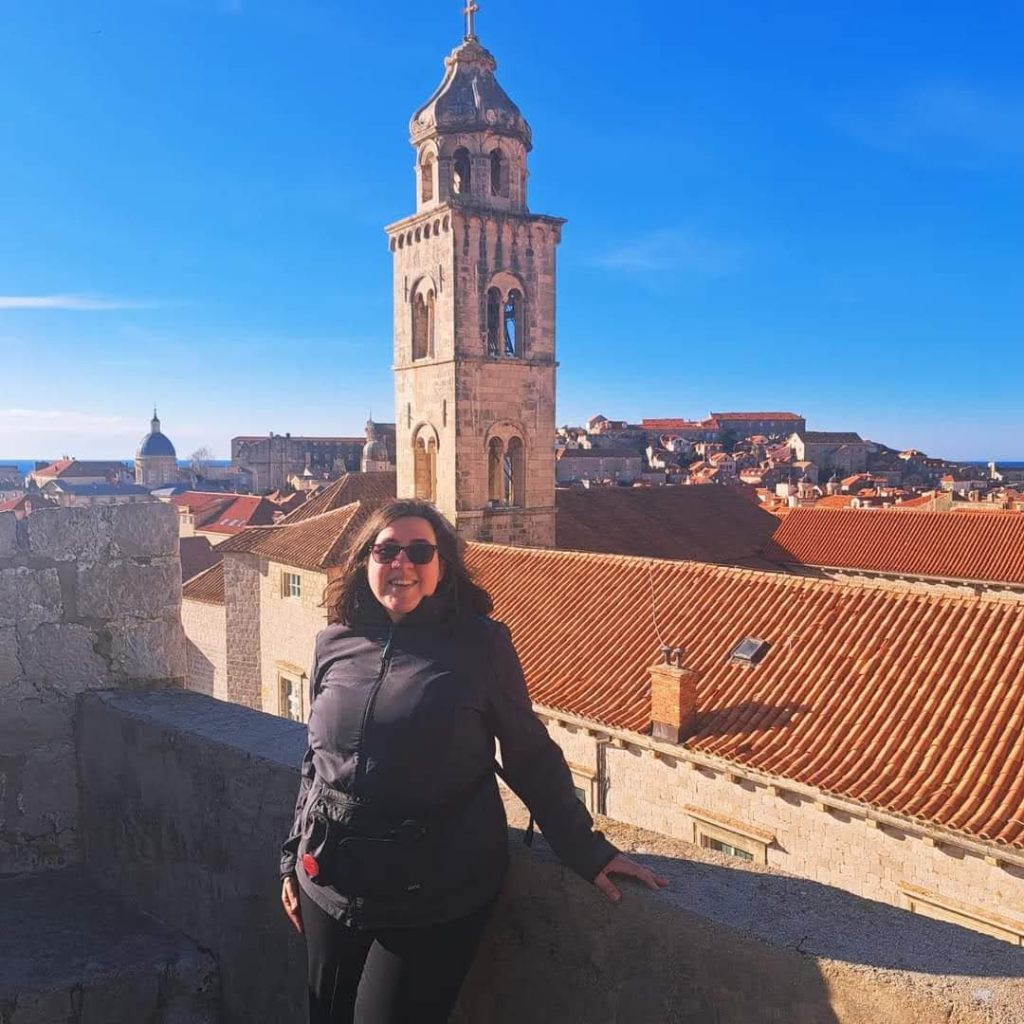
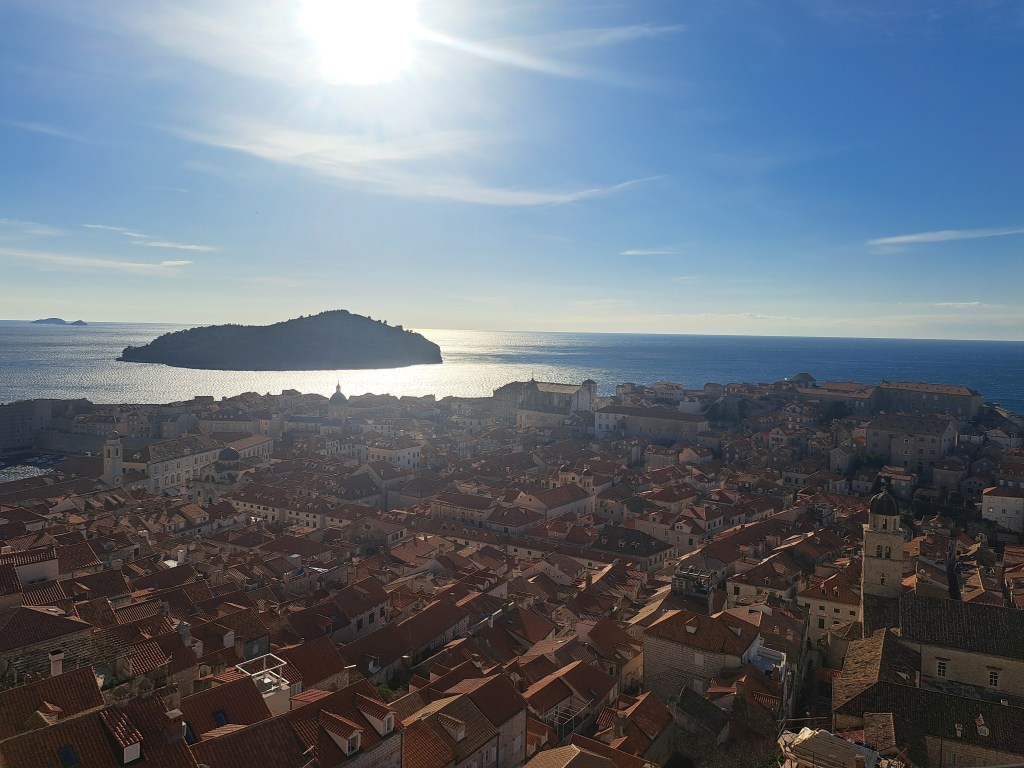
We were actually quite surprised to wake up the next day to a completely empty city. I think we were the first ones to explore the city wall, and we enjoyed it so much. We took our time taking a ton of pictures. We walked on top of the wall. We explored the side streets without a soul to disrupt the peace we found. Fewer tourists mean exactly what we enjoyed during our stay here: quieter streets, less noise, and more space to recharge.
The weather also treated us nicely; it was surprisingly warm. It was also very sunny and we got sunburned a little.
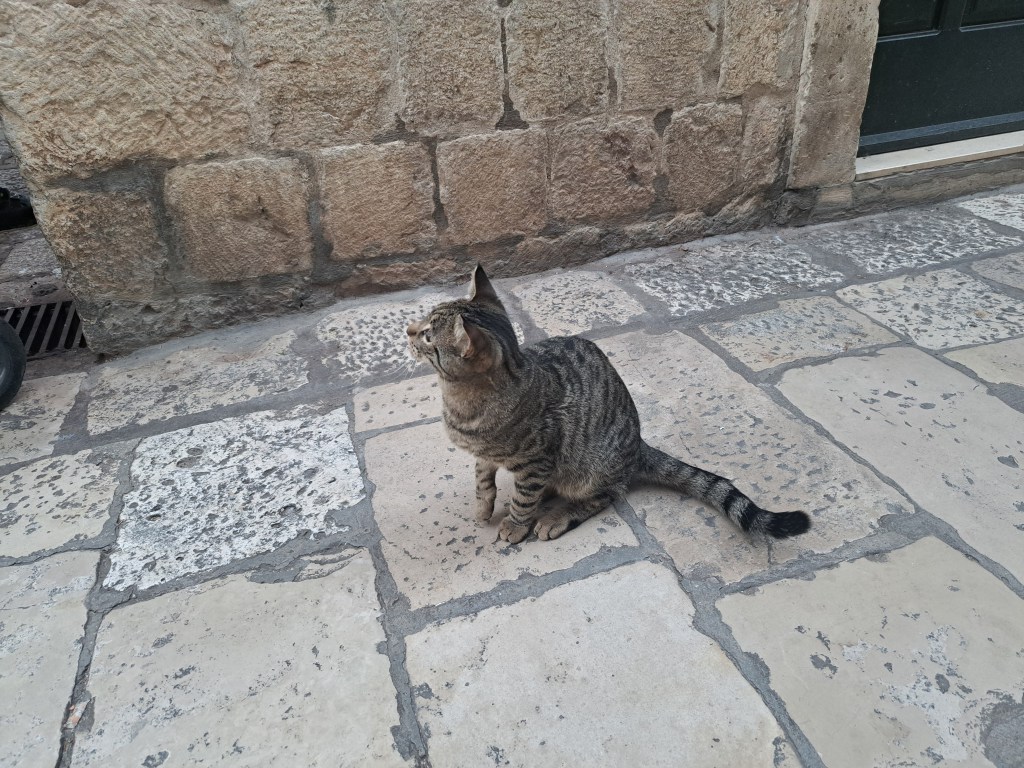
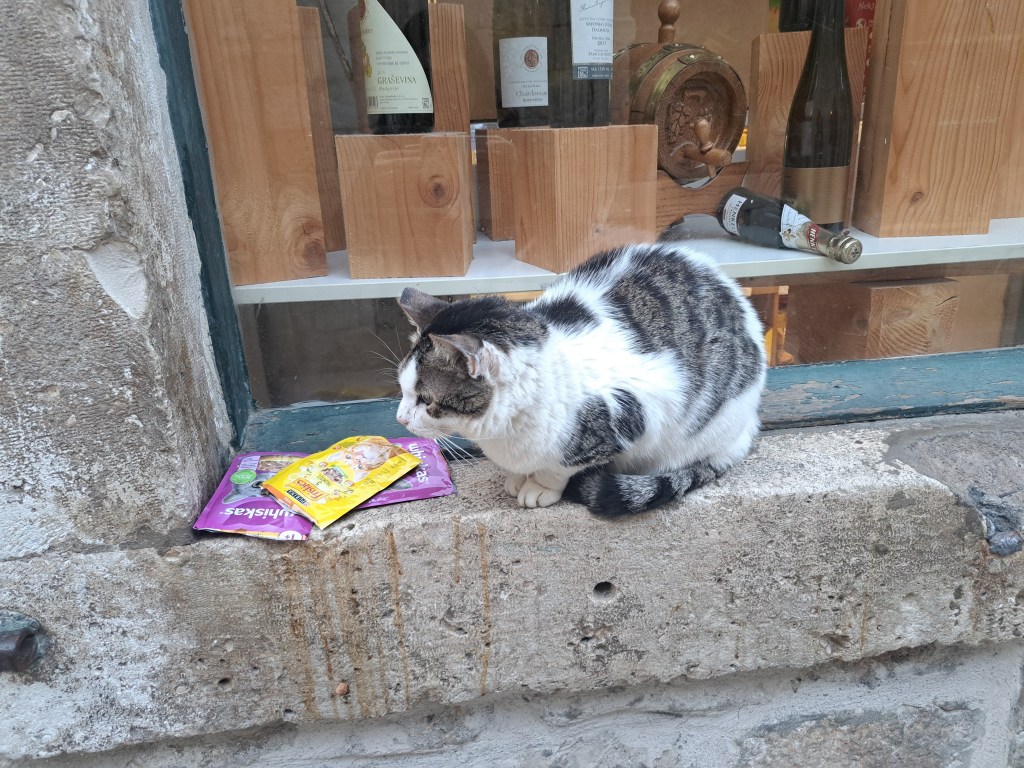
Even the museums were considerable more empty than I had anticipated. Again, we took our time exploring. The few encounters we had were cats and some locals, and that on its own was exactly, what we wanted.
So, was it all sunshine and rainbows?
Probably not, because there are indeed some disadvantages to exploring Dubrovnik in Winter specifically.
⚠️ Disadvantages of Shoulder Season Travel
1. Limited Openings
Some restaurants, shops, or attractions may operate on reduced hours or close entirely — especially in smaller towns or coastal destinations. Exactly what we encountered here. A lot of shops and restaurants were closed; the selection is much smaller!
2. Unpredictable Weather
While it’s often mild, shoulder season weather can be fickle. Pack layers and be ready for anything from rain to sunshine within a few hours. While we were lucky here, it does not always work this way. We had some very rainy adventures in some of the places we visited and spent more time inside than exploring. But even that can be kind of a treat. If it is one day, you can schedule your slow day on that day. It’s important to keep a little bit of flexibility in your schedule, even if you plan it.
3. Fewer Events or Tours Running
You might not have as many activity options. Some tours may only run on certain days or be canceled due to lack of participants. Also this we encountered in Dubrovnik.
The tour we had booked actually ghosted us, because they typically do not run in the winter months. Unfortunately, they didn’t notify us in advance either. That was a bit of a shame to be honest.
4. Transportation Gaps
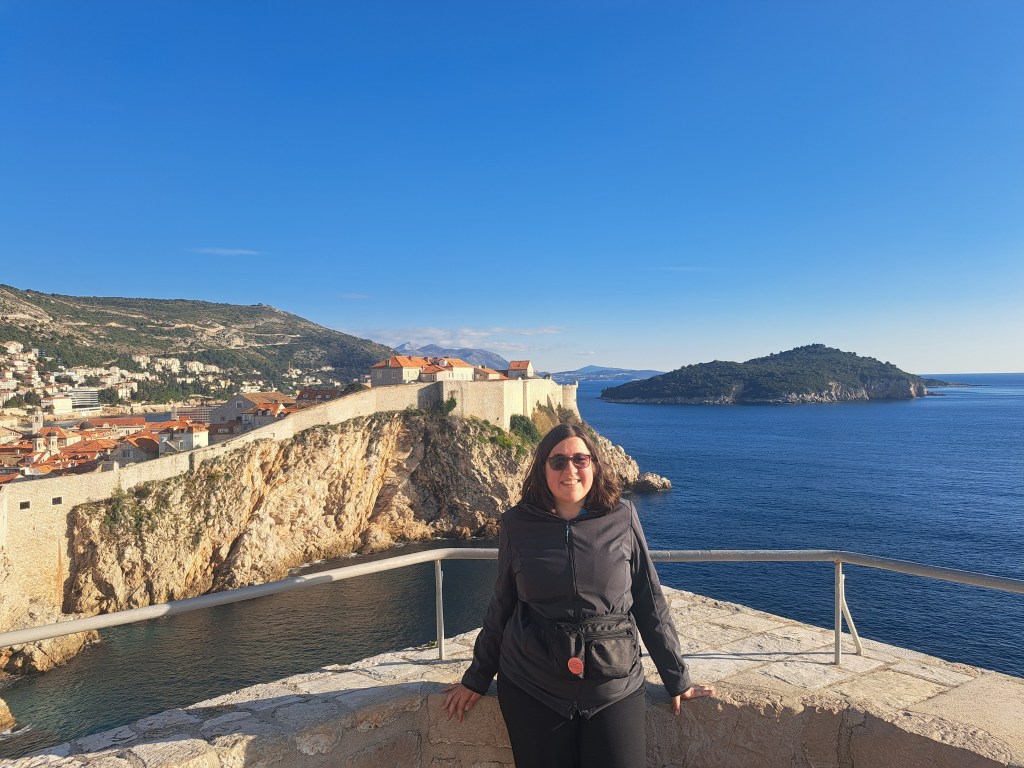
Bus or ferry schedules can be more limited compared to high season. Double-check your routes and timetables — and always have a Plan B. This was indeed a thing: The ferry to the island is not running in winter. If you want to see the real Iron Thrown, you might have to travel at the start or the end of peak season. We found we did not care all too much. Having Cercei’s Walk of Shame Staircase to ourselves more than made up for it.
5. Quiet Might Feel Too Quiet
While peace and calm are great, some travelers may find the lack of buzz a bit lonely. It can also be isolating, depending on the destination and personal preference. I typically enjoy having spaces to myself, but sometimes a little buzz might be nice as well. So, if you prefer a middle ground, consider traveling at the start or end of the peak season. The crowds are already getting lighter then, which might be more appealing.
✅ Advantages of Shoulder Season Travel
But for me the advantages clearly outweigh the disadvantages:
1. Fewer Crowds
You won’t be elbowing your way through packed tourist sites. Perfect for introverts or those who get overwhelmed in busy environments. We were able to take our time. We had a lot of space to ourselves. We enjoyed the museums without having to push through them.
2. Lower Prices
Flights, accommodations, and tours are often cheaper than in peak season. Additionally, you might score upgrades or better rooms simply because places aren’t full.
3. Milder Weather
Shoulder seasons (usually spring and autumn) often offer pleasant, moderate temperatures. Not too hot, not too cold — just right for walking, exploring, or relaxing. As I am running hot quite easily, I enjoy traveling a lot more when the temperatures are more moderate. The winter months in this area of the world are beautiful, if sometimes rainy.
4. Better Photos and Less Overstimulation
Fewer people in your photos and quieter surroundings make it easier to enjoy the moment. This is especially important if you’re sensory-sensitive or love slow travel. This is actually what drives me again and again to explore more touristy sights during shoulder or off season.
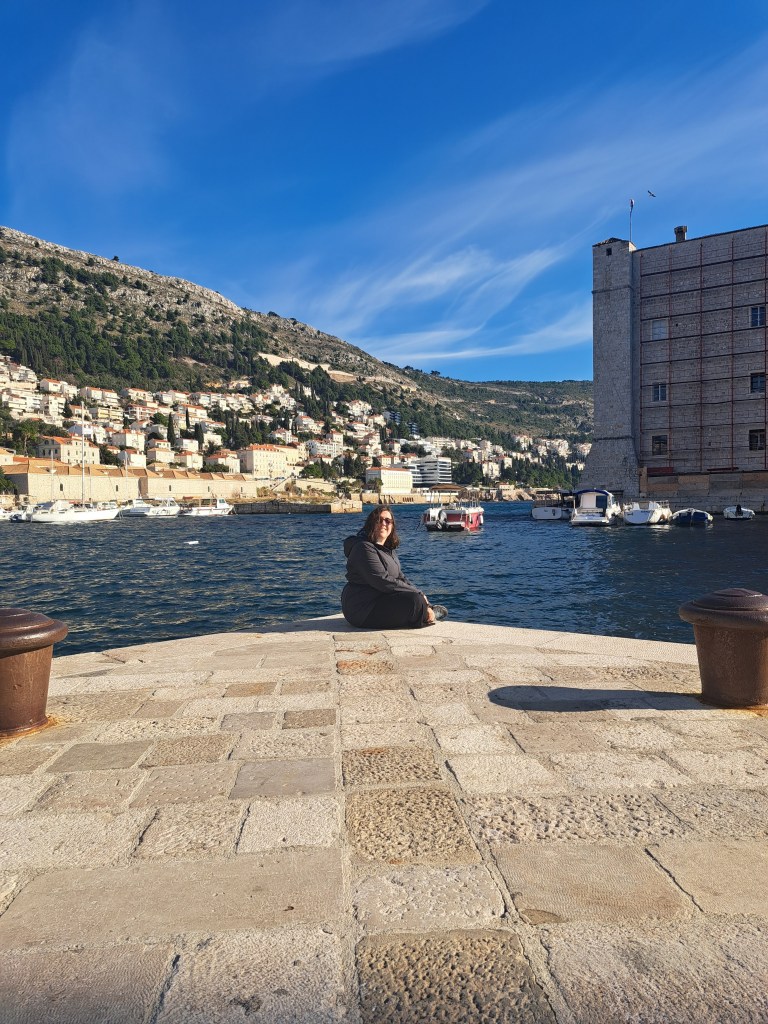
Traveling during shoulder season might not offer the perfect postcard weather or a buzzing nightlife. It sometimes does, but that’s more luck than anything else. But exactly this is what makes it so special for me. So, if you are an introvert like me or if you look for a calmer, more intentional experience, this is it. The streets are quieter, the pace is slower, and the space to simply be feels more available. Yes, it may take a bit more planning (and the occasional long walk to find an open restaurant). But the trade-off is often a richer, more peaceful connection with the place you’re visiting.
Got a favorite off-season gem or a shoulder-season story of your own? Drop it in the comments—I’m always collecting slow travel secrets. Or just whisper it into the wind… who knows, I might still hear you.
 Looking 4 Adventures
Leave a comment