Airports bring out the extremes in me. On some days, I glide through the process like I’ve trained for it my whole life. On others, it’s sensory overload, chaos, and shutdown. Here’s what that looks like—and what I’ve learned to do about it.
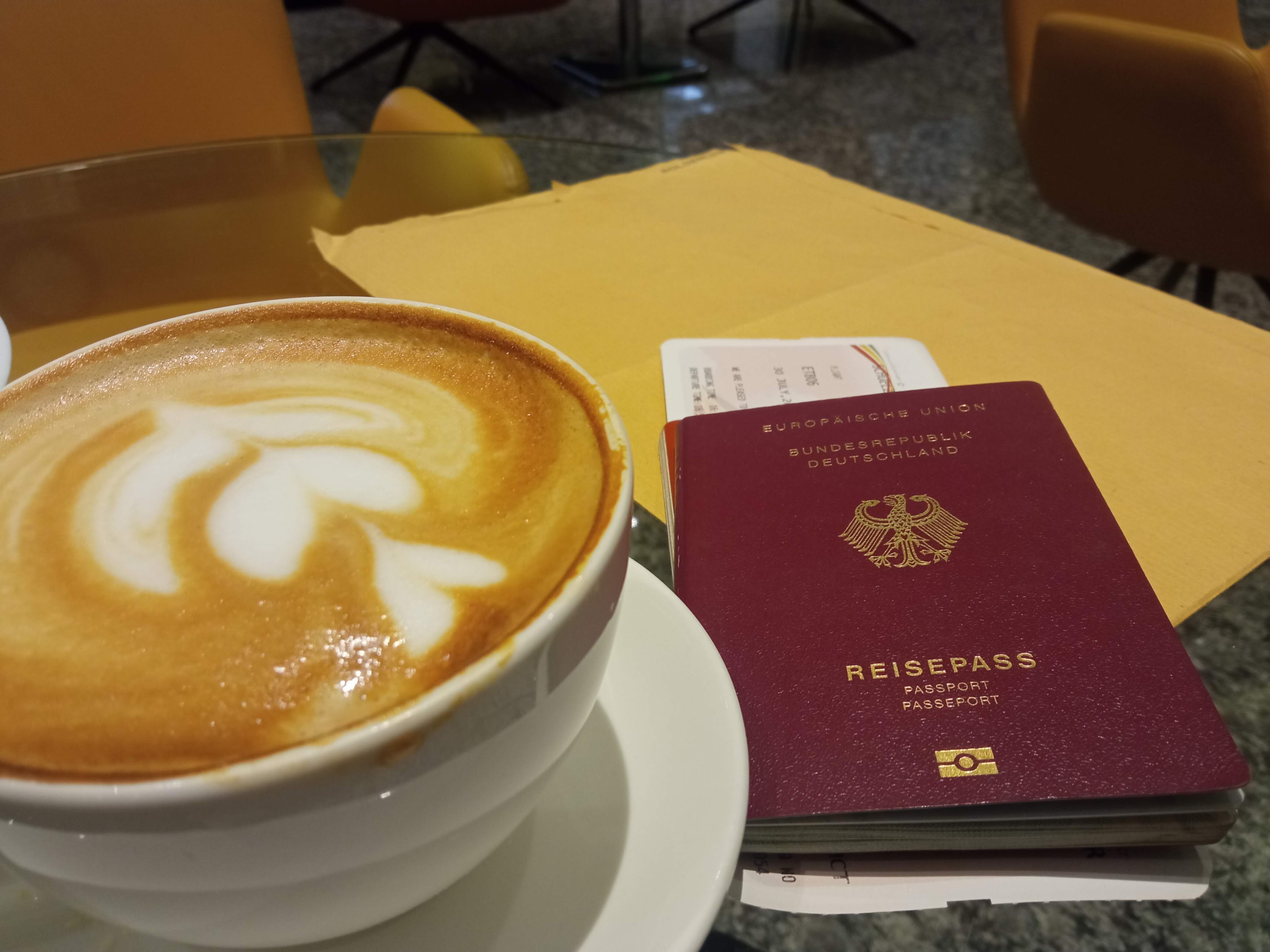
On good days I arrive 3 hours before departure. There’s barely a queue at check in. Sometimes we are even the first ones to arrive. Immigration and security are also easy-peasy because we got time. We can go to the lounge, wave our Priority Pass and sit there for 1-2 hours, snack on lounge foods, have a coffee, or a soda water (or wine if we feel like it!). The light is just right and not flickering and not too bright. We move to the gate 5-10 minutes before boarding is supposed to start because we do not want to be there too long (bright lights, noise, people…), but also not too short, because distances can trick you. Deep down, I am still an anxious person. I am certainly not sitting in the lounge, waiting for my name to be called.
On bad days, this is different:
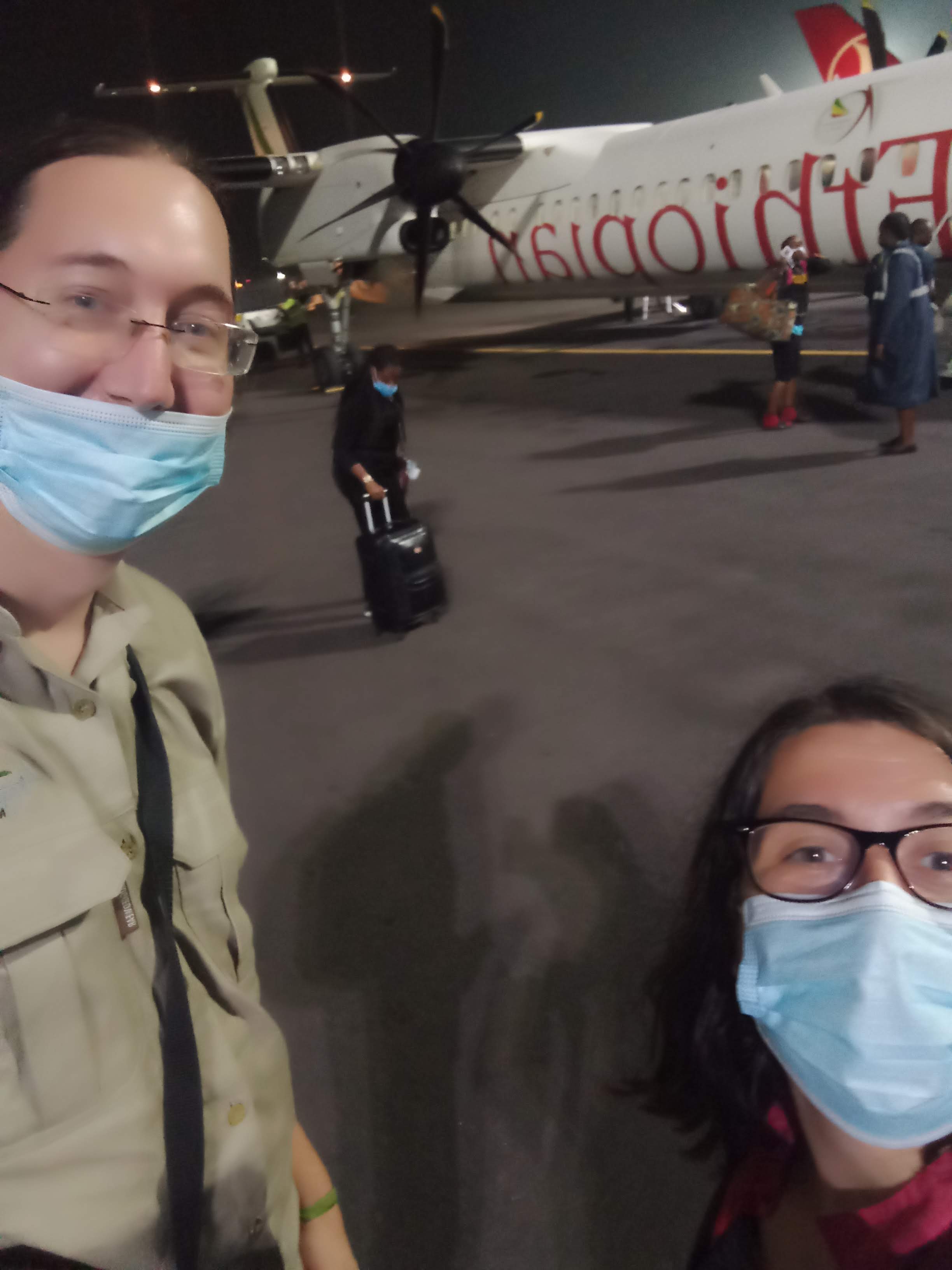
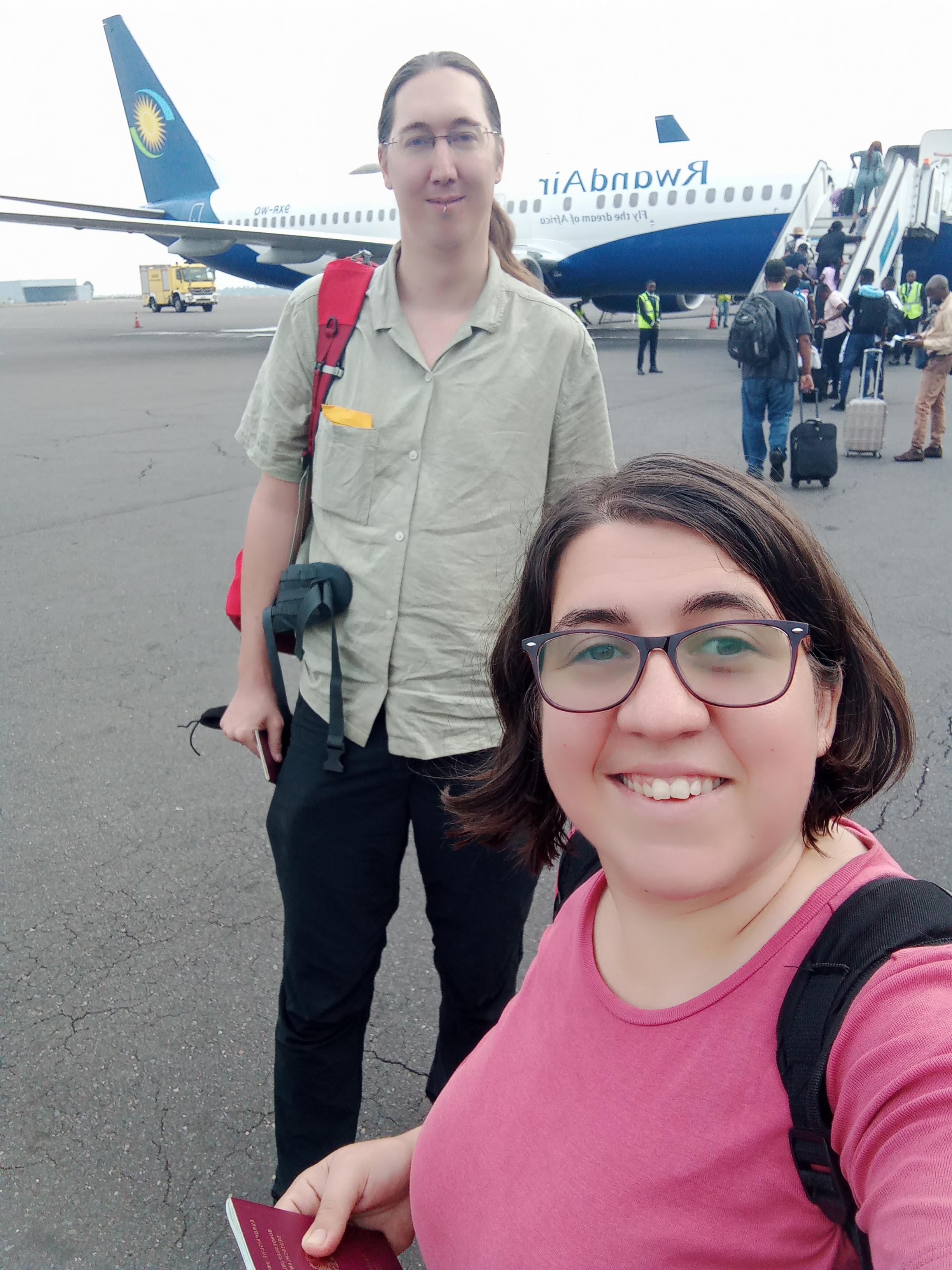
I remember one distinct day, when we were still living in Rwanda. We were flying to “I can’t remember where” with Rwandair and their checkin system had crashed for some reason. We had already checked in online. However, we needed to drop off luggage, so it did not make a difference. The queues (yes, several!) went at snail speed, my brain went into overdrive.
At some point, we were directed into a shorter queue. We passed by many passengers. I felt their stares piercing my back. They angrily complained that we and some other people were skipping the queue. I felt the unfairness of the situation deep in my bones. I also felt anxiety peaking. I could not sit down in the cafe, have a coffee, scroll my phone, and reregulate my nervous system.
We finally dropped off our bags. We were hurried through to the departure gate. On the bus, I realized the dysregulation hitting deep. I was ungrounded and angry at the world around me. I snapped at Bas and partially at random people and felt like a storm was brewing in my head. All I wanted was to arrive at our destination and I knew this wouldn’t happen for a while. I pretty much shut down right there and then in the airport bus. My body was present, but my mind had gone offline.
So, what could I have done differently?
A few things for prevention and a few things for upkeep:
1. Always arrive 3 hours in advance to the airport; 2.5 hours if it is a really small airport.
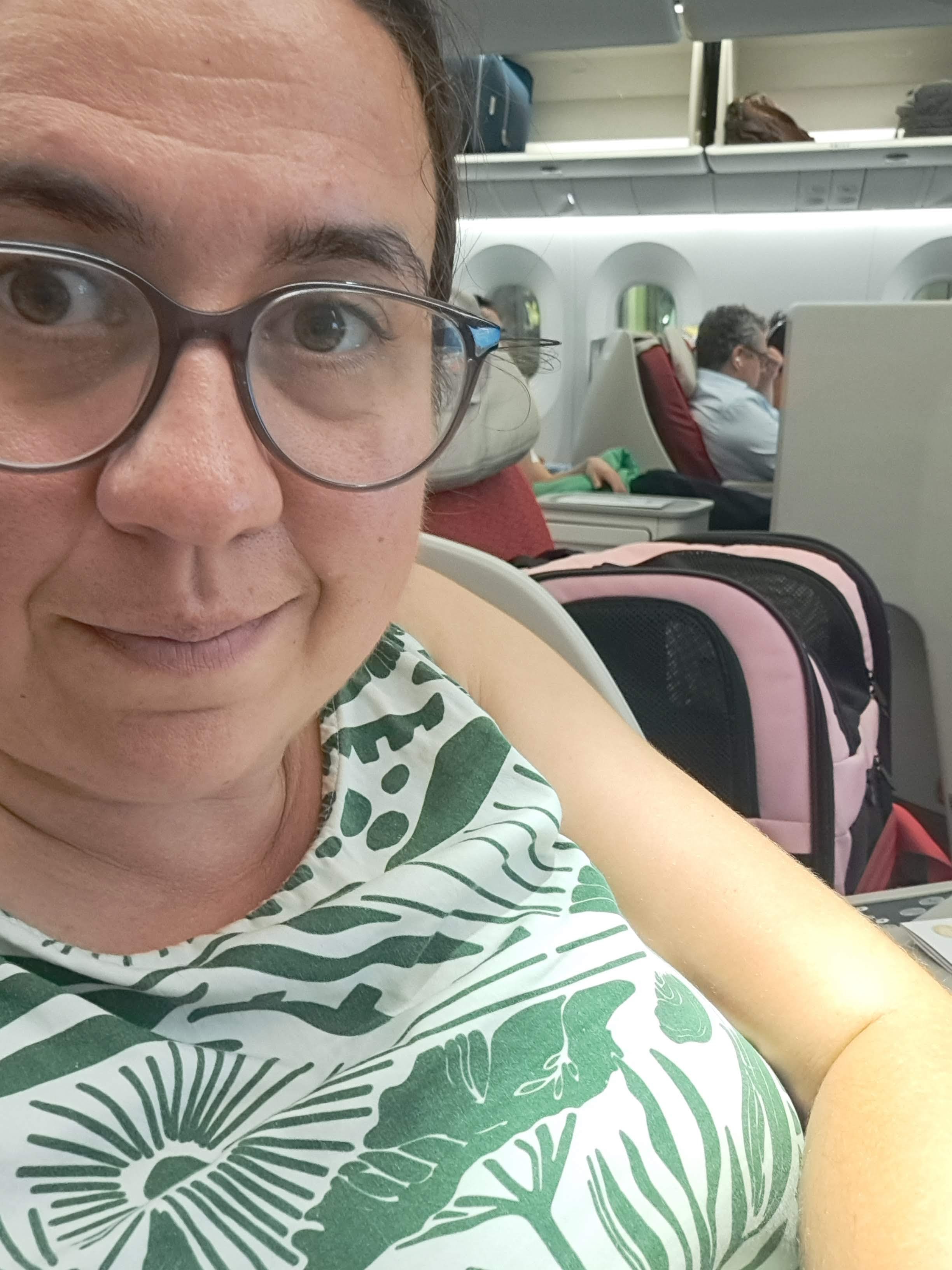
Queues are my nemesis. I can’t stand that people do not pay attention and miss moving forward when the queue is moving. My nervous system feels attacked by the noise and the bright lights. The first step is ‘avoid’.
The second one is ‘manage’ with ear protection and distraction. Even if you are early at the gate area, you can find a lounge with priority pass or loungebuddy. Alternatively, find a cafe that lets you settle for a few moments. It is better than to have to rush through the airport and not find some kind of peace back.
2. Self-Service Is Your Friend (When Available)
If you do not have check in luggage, online check in is your friend. It would not have changed a thing for me. Sometimes you are getting a separate queue just for luggage drop off. This allows you to avoid the queuing for check in. This makes the process easier. It shortens the time span you have to spend in a surrounding that makes you hate yourself. You can even download your boarding pass ahead of time to avoid fiddling with airport apps in overstimulating environments.
I found self check-in kiosks and luggage drop-off machines to be quite a nice development. I used them several times in Scandinavia and loved the process. You avoid lines, small talk and chaos. Unfortunately, not every airport offer this, so I would recommend researching their availability in advance.
3. Prepare Your Ears
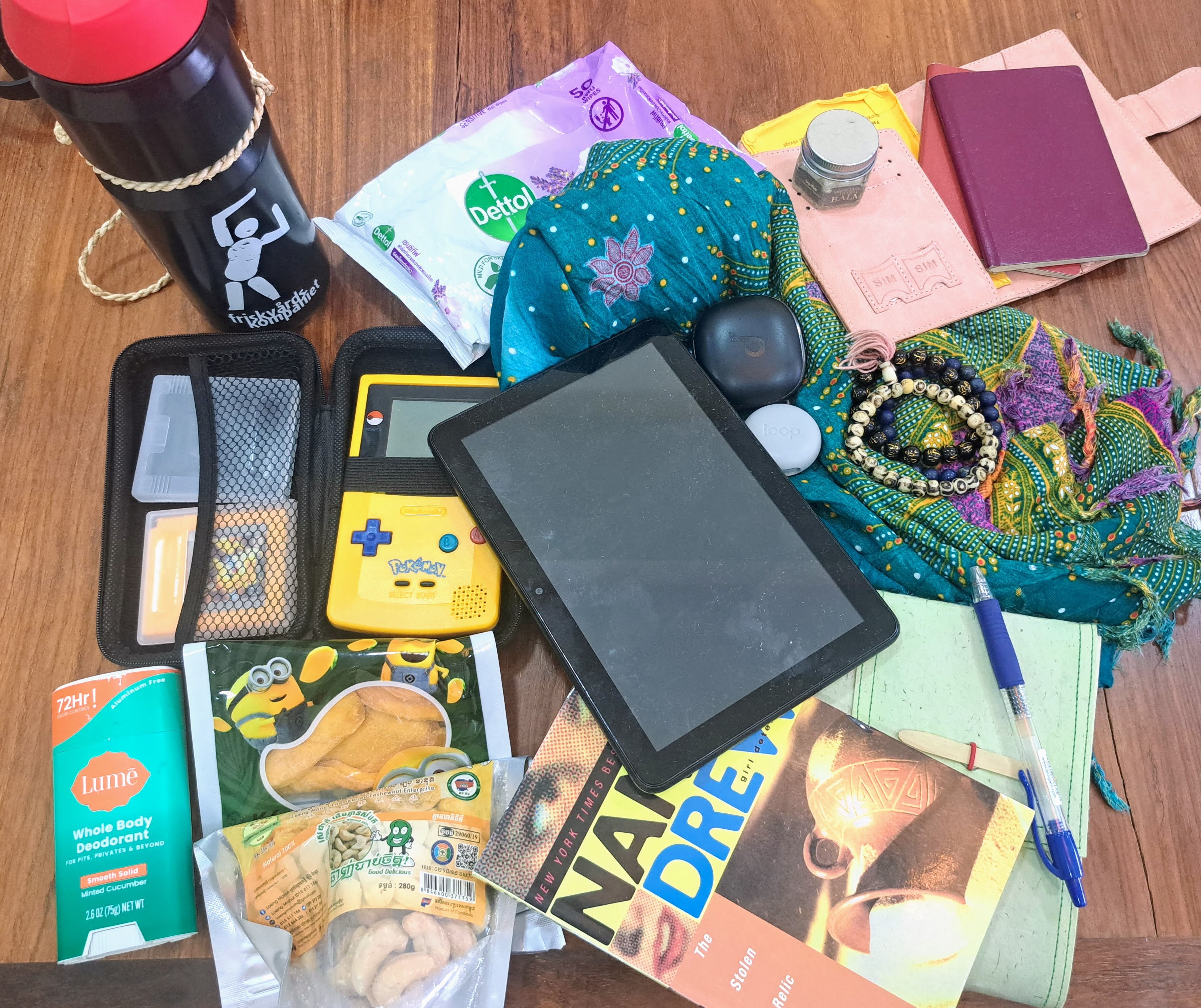
I have mentioned this before, and it is part of my travel kit. Do not forget your headphones or loops. I did not really know about my sensory sensitivities back then, but since I do, I accommodate for them. This would certainly have made a huge difference in this scenario. Even without music or a podcast, they provide a sensory buffer that can make a huge difference.
4. Travel Off-Peak
I try to typically travel to less frequented destinations. Even the departure day you choose might make a huge difference.
Typically mid-week rather than weekends or holidays is less frequented. Early morning or late-night flights can also be quieter (but make sure sleep deprivation won’t add to your overwhelm). I partially rely on my public holidays for traveling. As a result, sometimes I cannot make use of these options. If you can, do it. It might save you from busy airports and long lines.
5. Upgrades & Priority Boarding
If it’s in your budget, use upgrades and / or priority boarding. Upgrades can partially be bid on—sometimes it’s more affordable closer to the departure date. Ethiopian Airlines is offering this as an option and I have made use of it plenty. Being among the first to board gives you time to settle in without squeezing past people. You can avoid the queues. This also gives you time to reset.
6. Lounge Access = Bliss
I mentioned it earlier. Lounges are my save space (in most cases – reminder to the time when I was tired because of a very early departure and scared off a kid that accidentally sat into my seat while I was getting a snack).
But my recommendation is to get a Priority Pass or look for day-pass lounges. They’re usually quieter, with soft lighting, fewer announcements, and food/snacks available without standing in line. If no lounge is available, find a quieter café (chains like Starbucks usually work quite easily).
Also, a slightly cheeky other option is to use the quiet rooms or prayer rooms that are sometimes available on airports. They give you an option to find yourself in a calm space with a little room to breathe.
If things go sideways, find any safe space (bathroom stalls, empty gates, or a corner café can offer brief refuge).
7. Gate Timing Matters
I typically head to my gate about 10 minutes before boarding. Sometimes I wait until 5 minutes if I already know the distance. I do not want to be there too early (to avoid crowd stress), but give myself time to get there without rushing. Advice: Check airport maps if it’s a large terminal.
8. Communicate Your Needs
I am still trying to be as little of a burden as possible to my surroundings. However, I already consciously realized that this is ridiculous.
At some point, I want to communicate what I need. If it is special assistance for boarding, then it is what it is.
I am still much better at giving advice to others than following it myself. Remember this: You are not “asking too much.” If needed, request special assistance. Some airports offer quiet areas. They will also let you board early if crowds are hard for you. You don’t need a diagnosis to ask for help.
9. Keep an Eye on the Departure Board
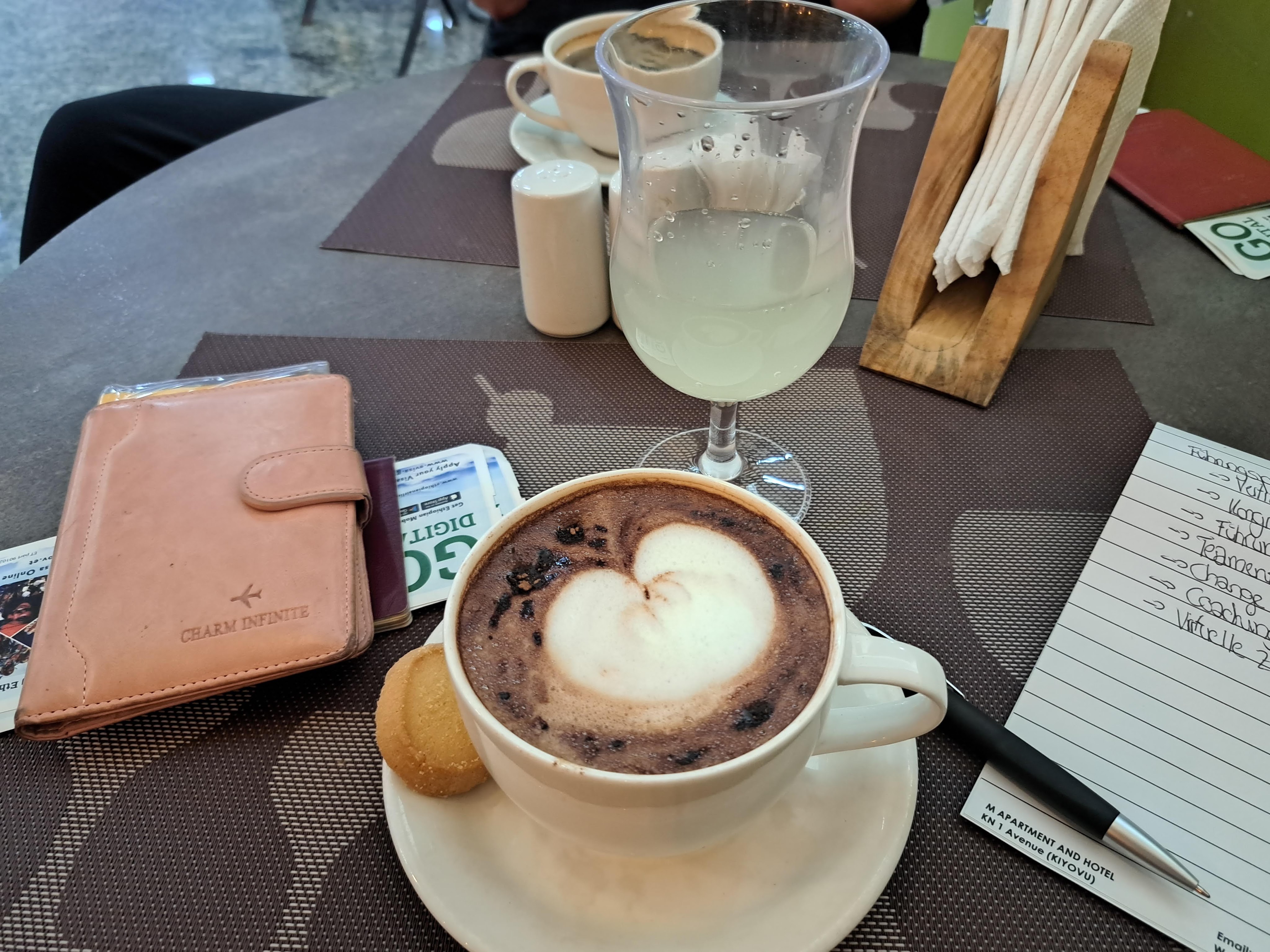
When I am sitting in the lounge or a cafe, I try to keep the departure screen within my line of sight, if possible. Otherwise, I get up regularly to have a look at it. Gate changes, delays, and boarding time updates can happen quickly—and not all of them are announced. Watching the board helps you stay one step ahead without relying on loudspeaker announcements. I have been in airports that make no announcements. Therefore, keeping it in my line of sight was necessary.
Bonus Tips:
- Bring chewing gum or sour candy to help ground yourself and manage pressure changes during takeoff.
- Wear layers—temperature fluctuates wildly in airports and planes.
Some of the advice above might have given me some relief for this scenario. In some ways, I also learned to make peace with the fact that I cannot control my surroundings at all times. I actually try to breathe through some of the discomfort and I have a few sentences I have internalized in difficult circumstances:
“One moment at a time is enough.”
“I am overwhelmed, not unsafe.”
“I can take care of myself even here.”
“I can ask for help — it’s not too much.”
They help me a lot in situations beyond my immediate control. These include long queues, overwhelming environments, and sometimes delays and cancellations. Travel still tests me. However, I no longer measure success by how smooth it goes. I measure it by how well I care for myself in the messy middle.
Everyone has different needs when they travel, and there’s no wrong way to pack for comfort. The important thing is learning what works for you. It’s completely valid to prioritize your well-being on the road.
Your sensory-sensitive airport survival plan might look a little different from mine, and that’s okay. Got your own tips? Share them with me!
 Looking 4 Adventures
Leave a comment